
Throughout Architectural Communication V, I explored how architectural ideas come to life not just through design, but through the way they’re communicated. This module focused on transforming abstract concepts into visual stories—using tools like Revit, digital rendering, and precise technical drafting.
Each exercise offered a different lens: some honed my ability to articulate materiality, others refined how I convey depth, shadow, and sequence. From expressive perspectives to detailed construction documentation, every output was both a skill test and a design reflection.
The projects below reflect this layered journey. Each begins with a brief overview followed by selected visuals that best capture the essence of what I was trying to communicate.
Ex 1. Revit Workshop – Weekly Tasks Compilation
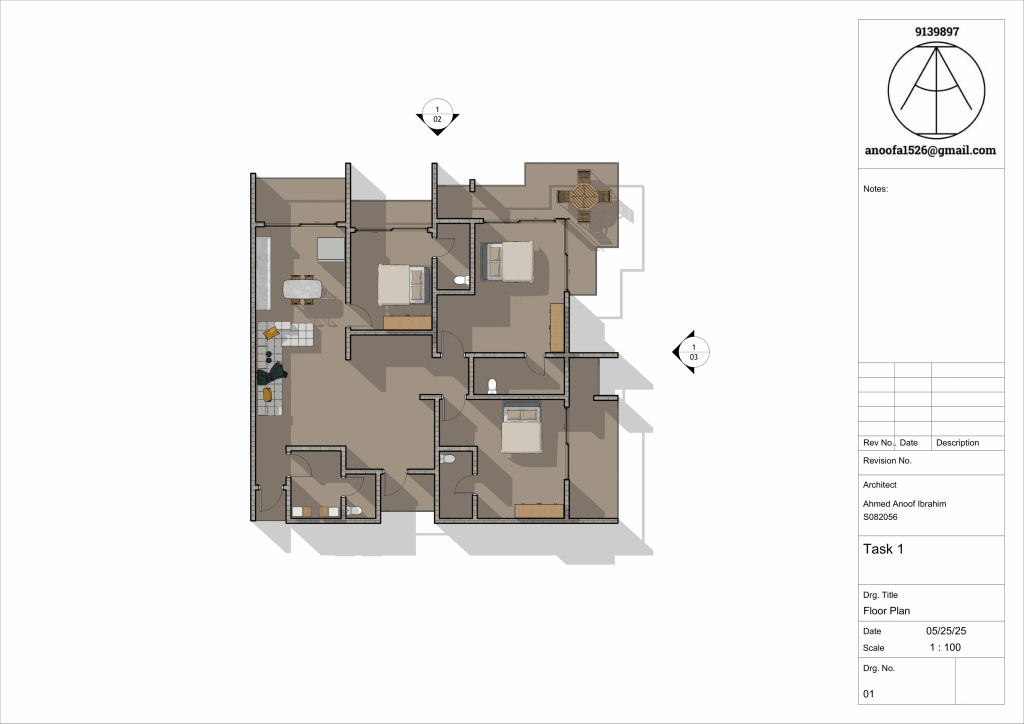
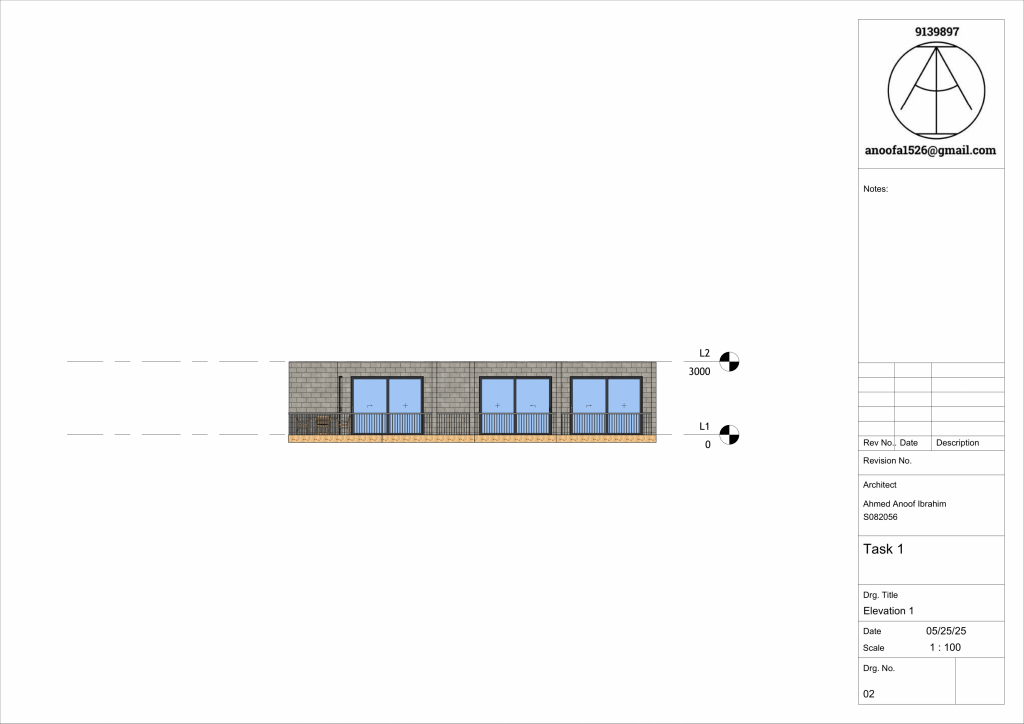
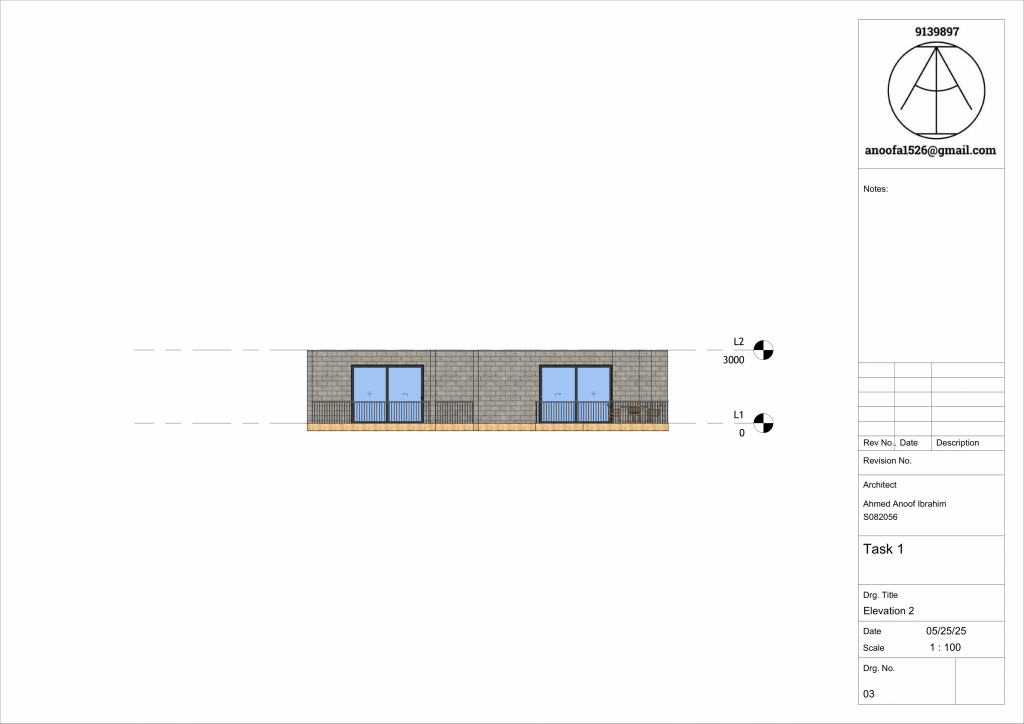
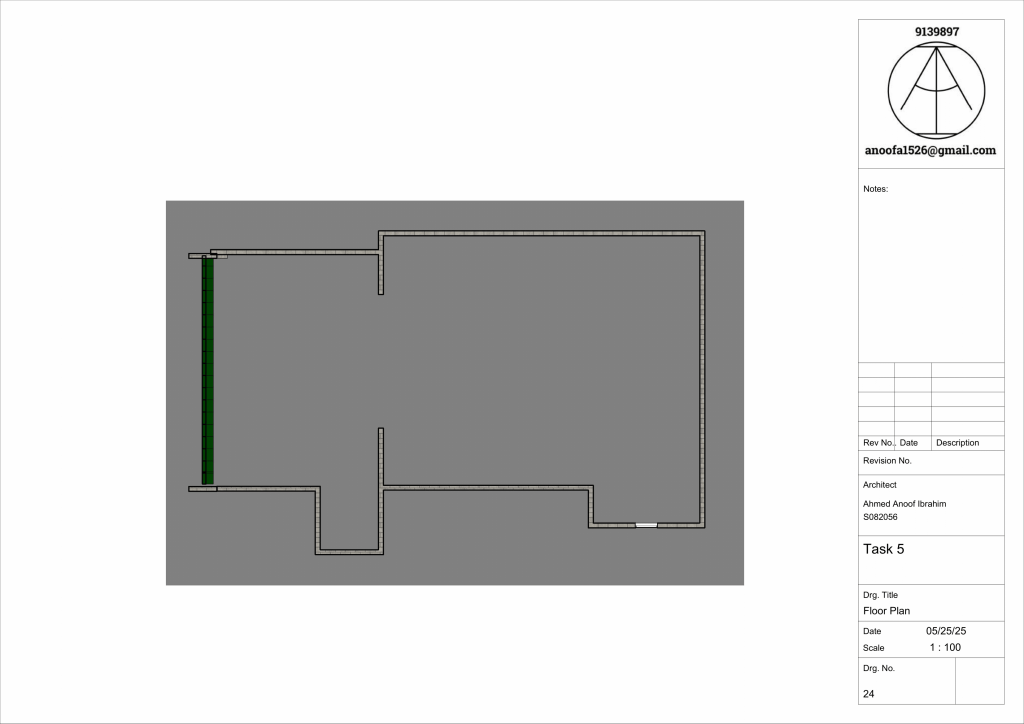
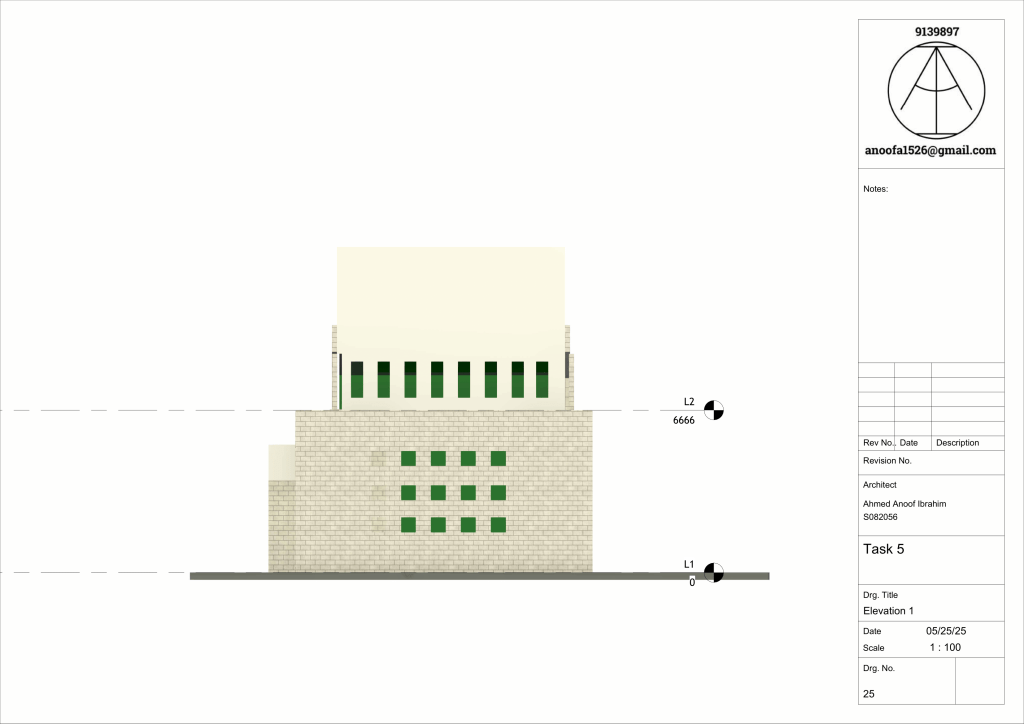
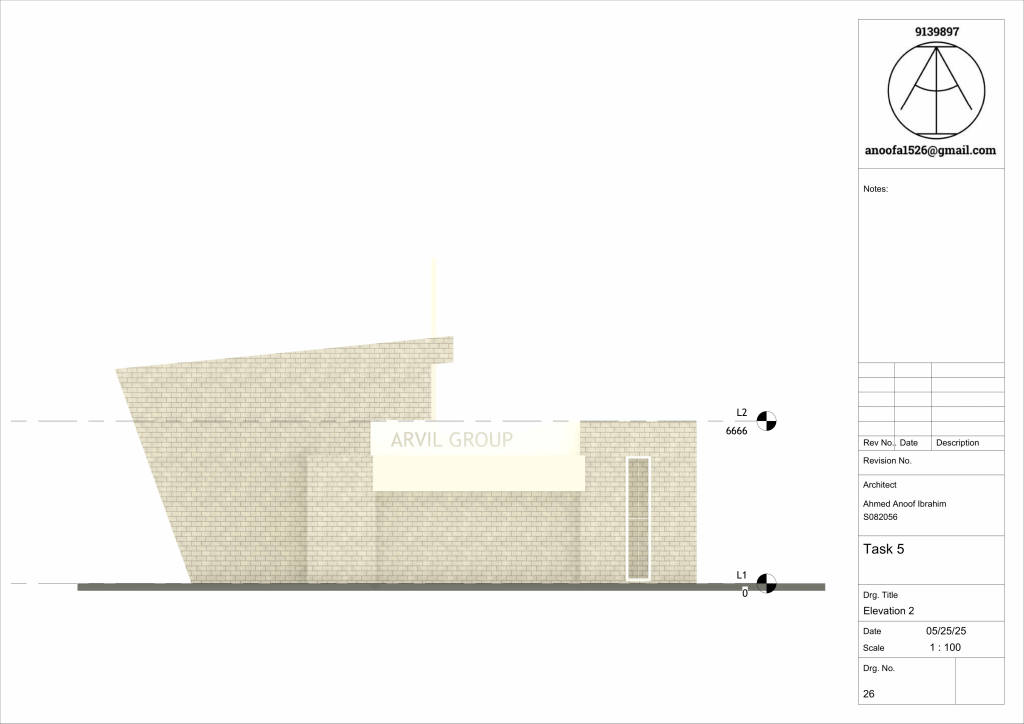
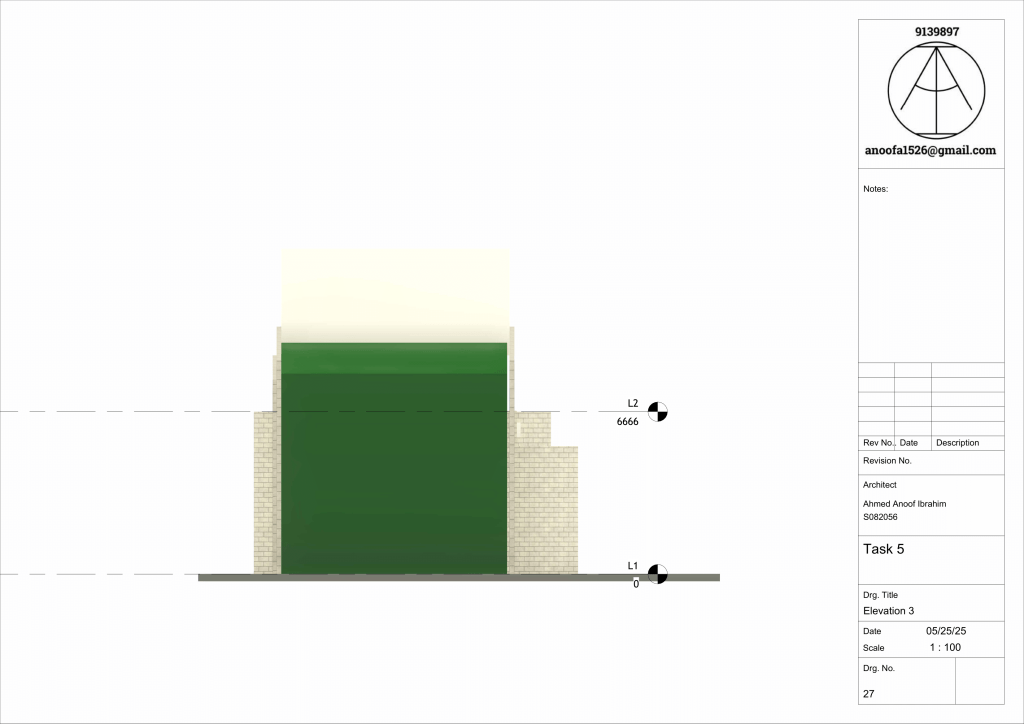
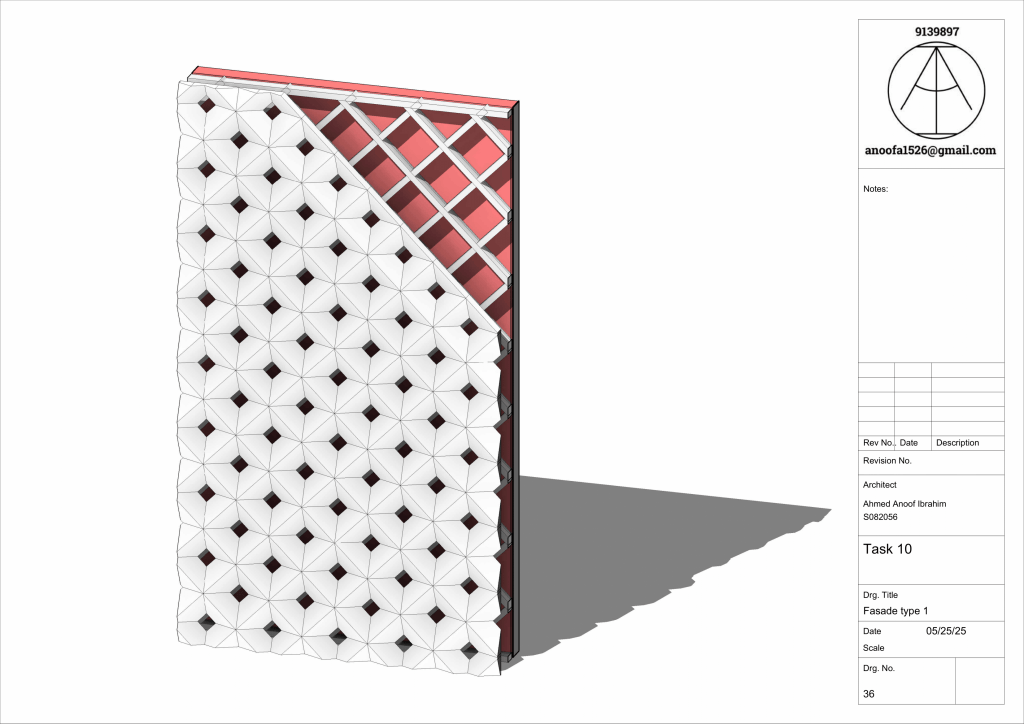
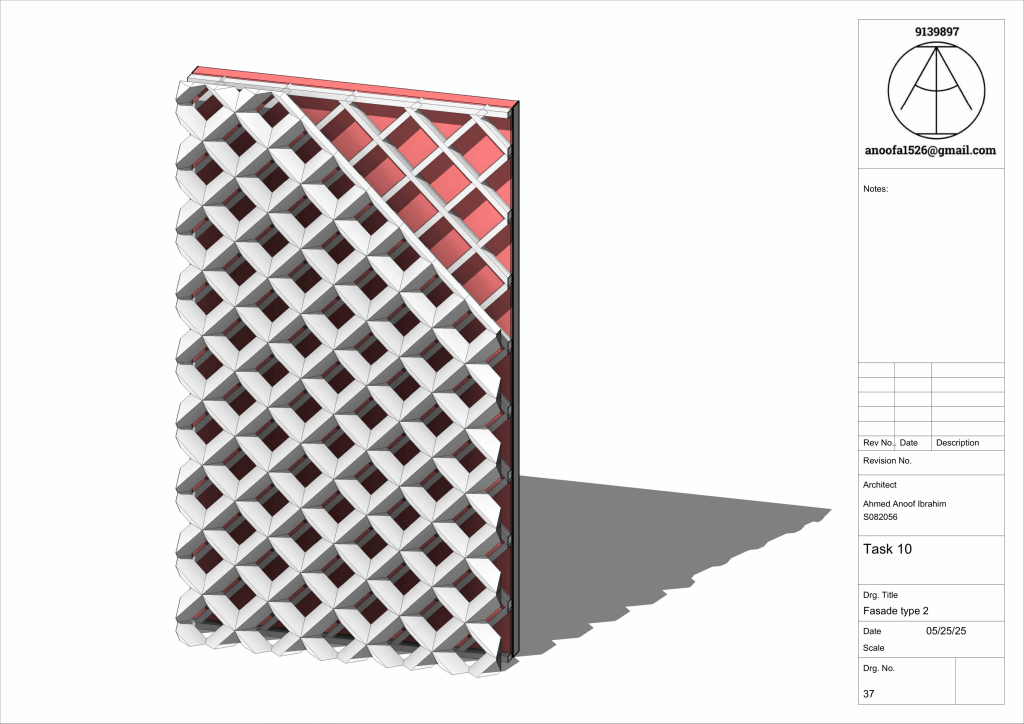
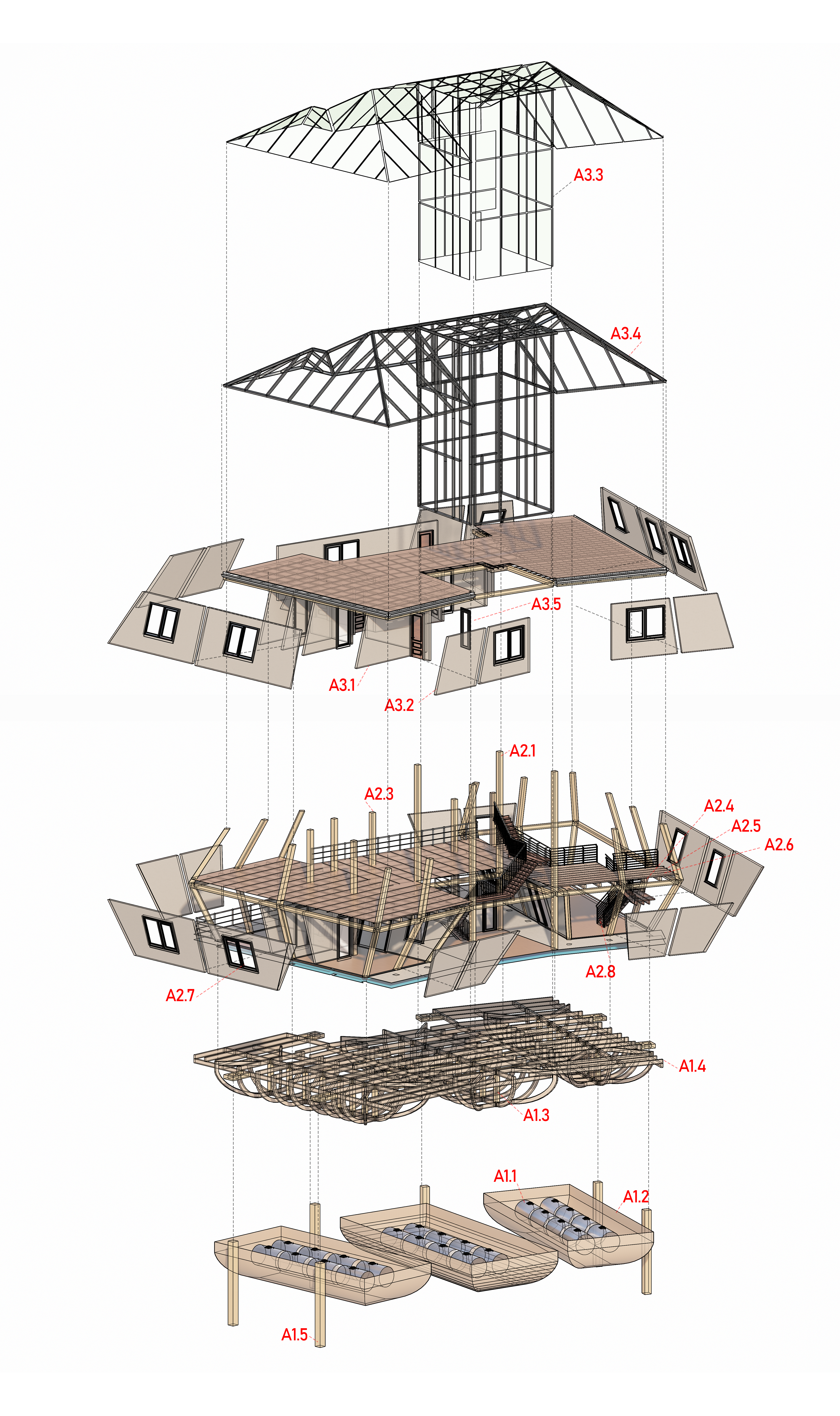
This assignment consisted of 10 small Revit-based tasks focusing on different communication techniques, completed weekly. These ranged from modeling exercises, cutaway drawings, exploded axonometric, to applying detail components. The goal was to build fluency with architectural software and create a diverse digital skillset for representation. Below Showcases all the tasks that was done for this exercise.
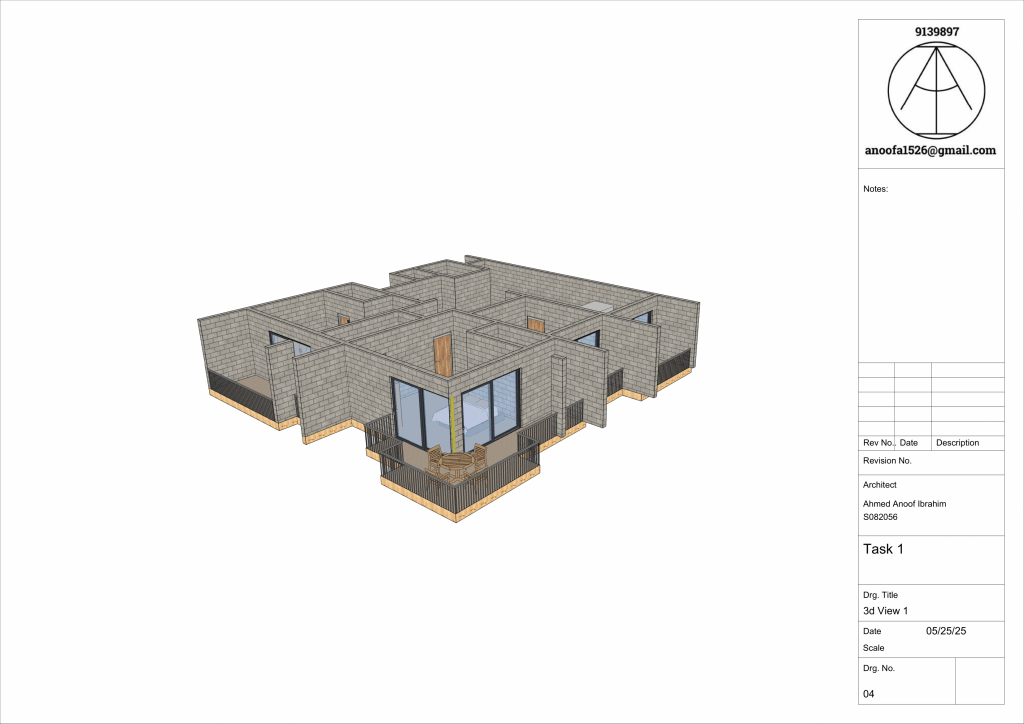
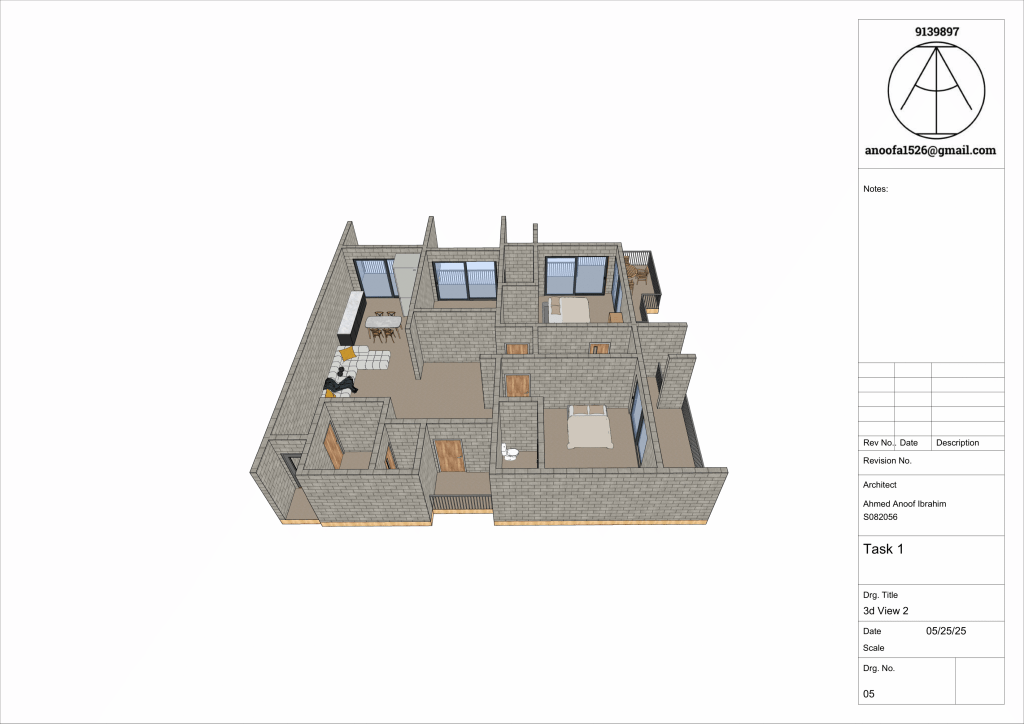
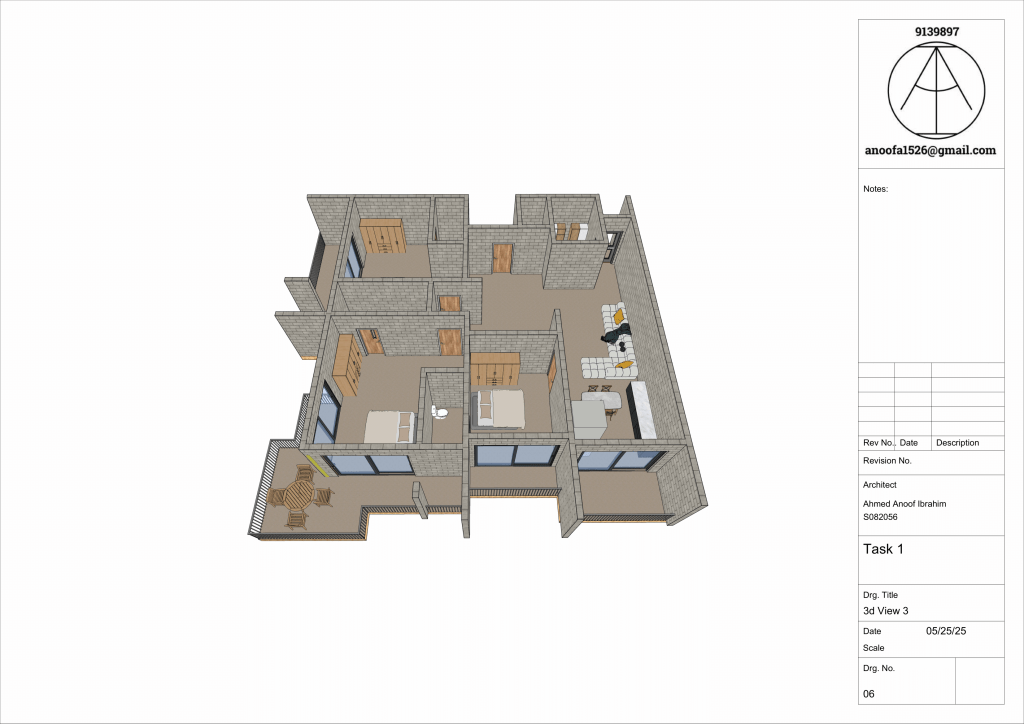
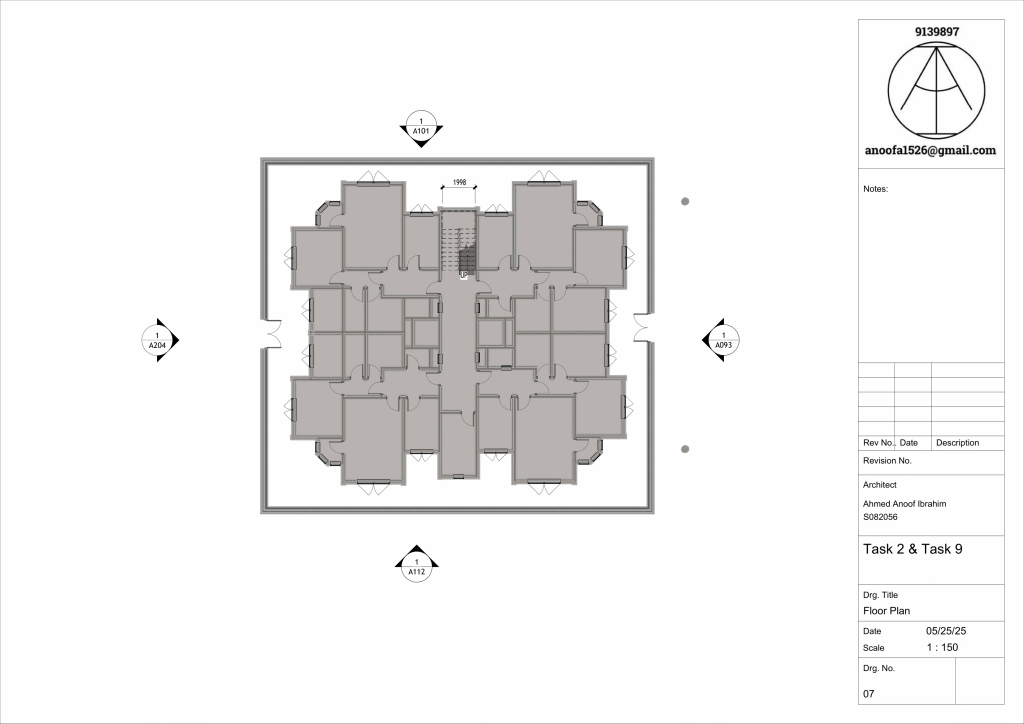
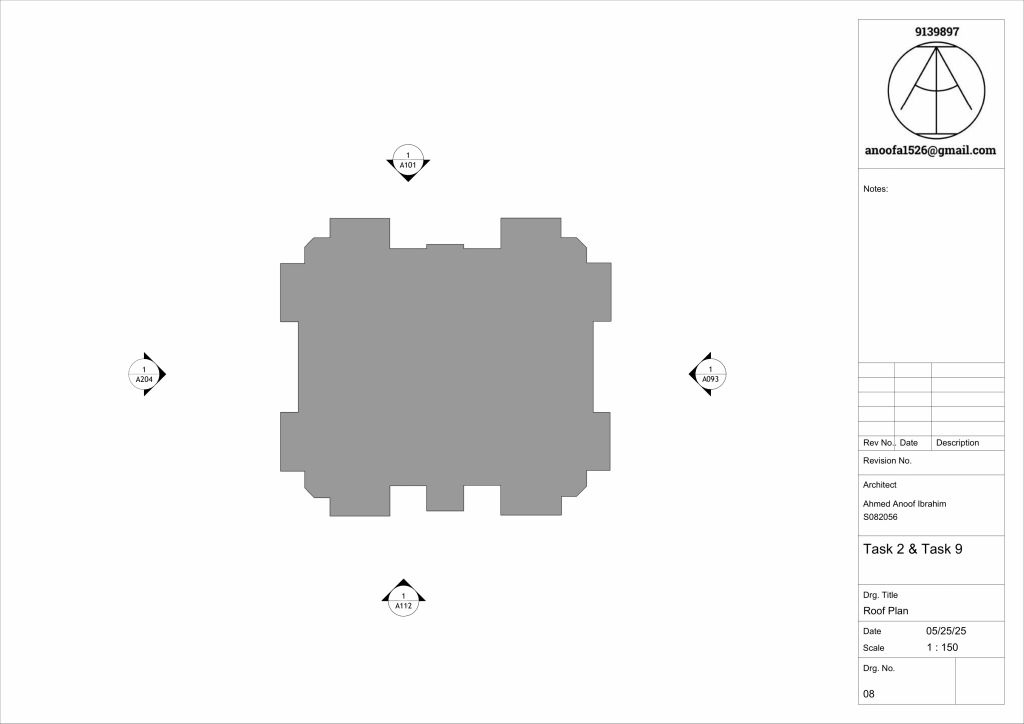
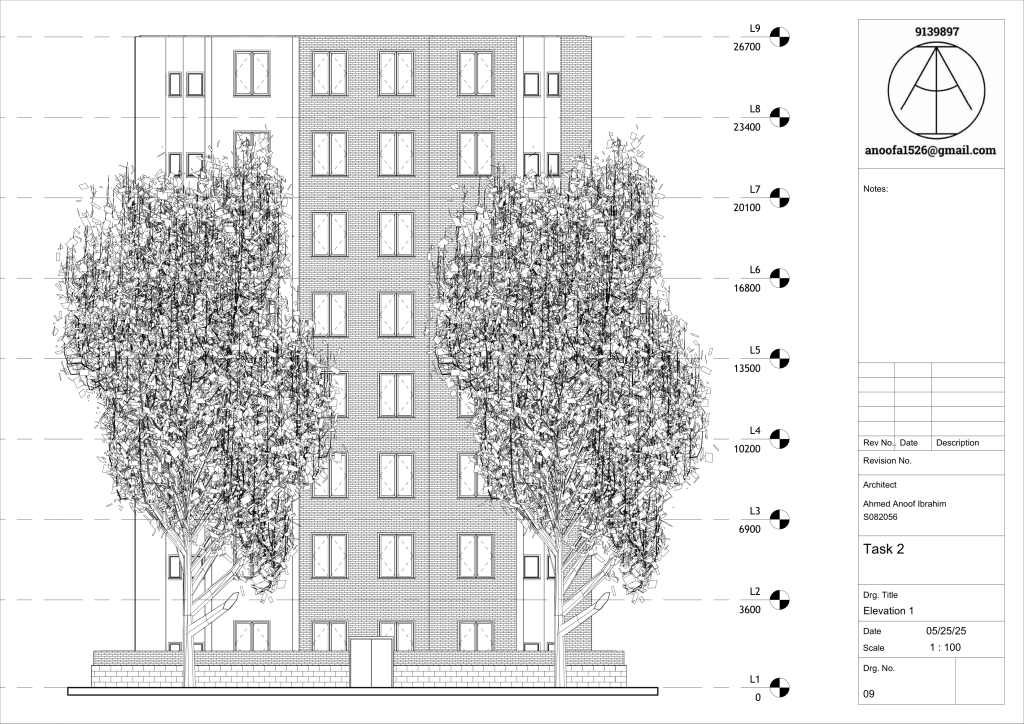
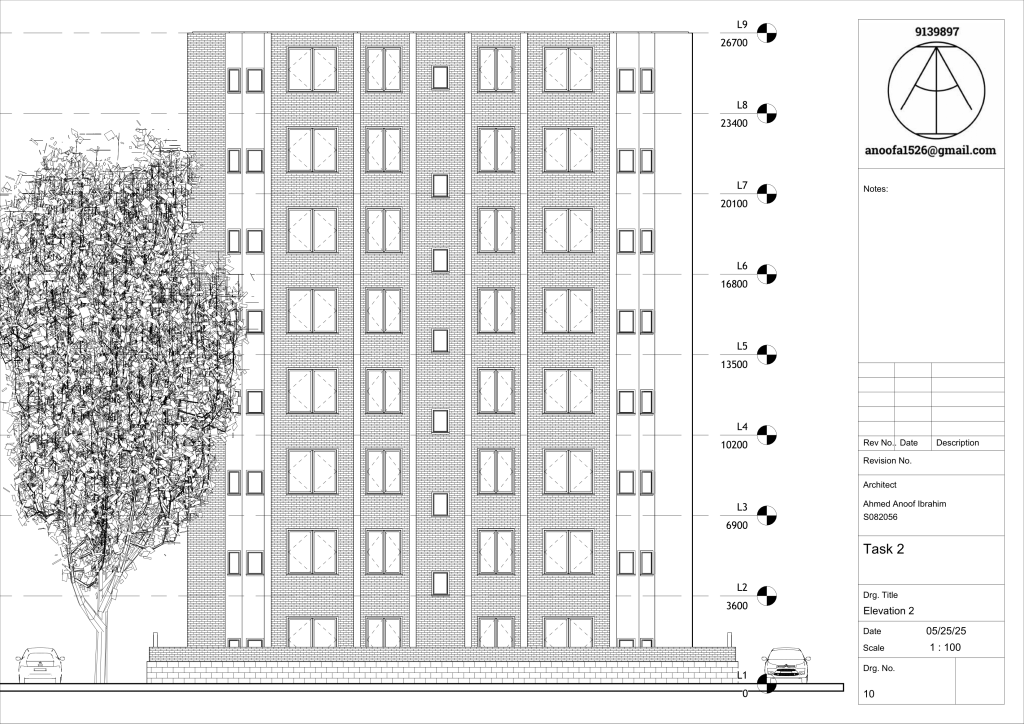
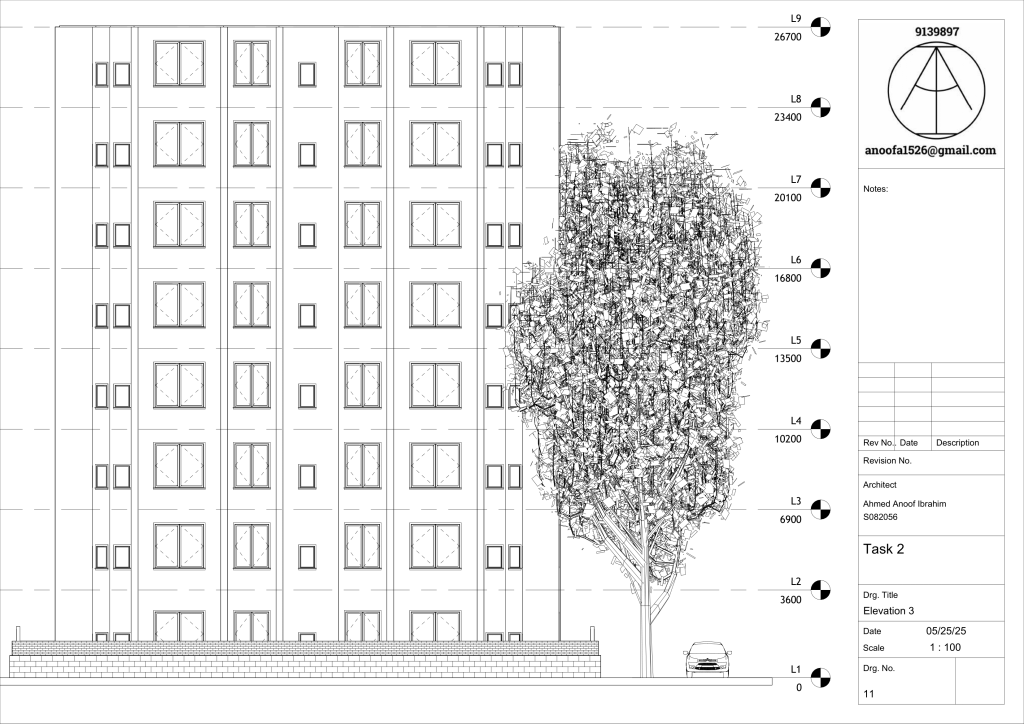
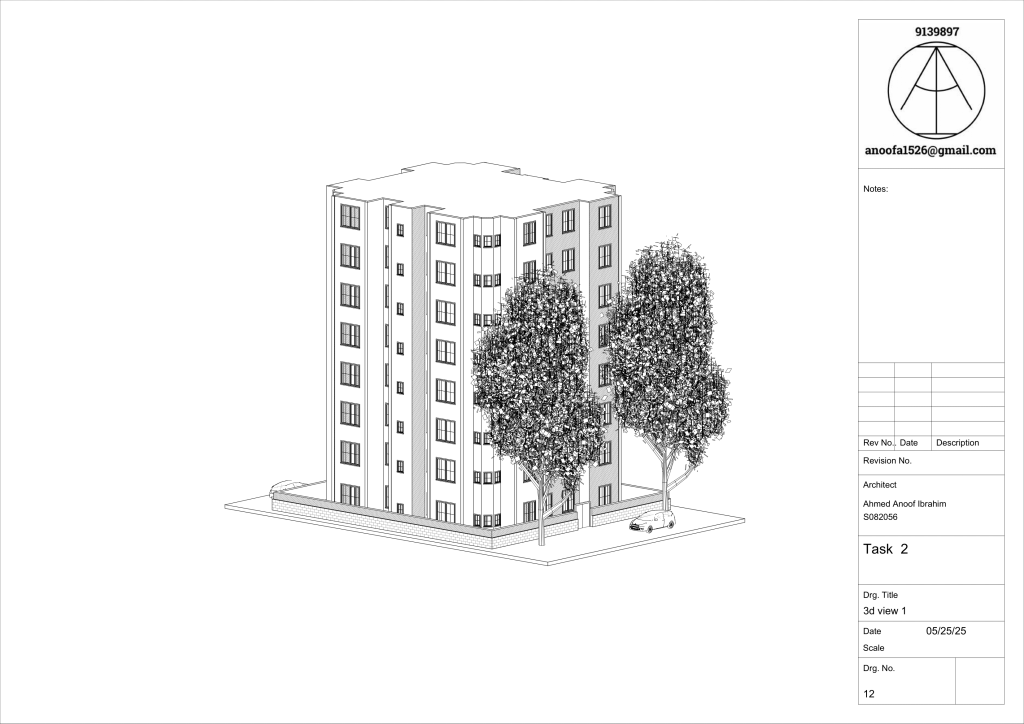
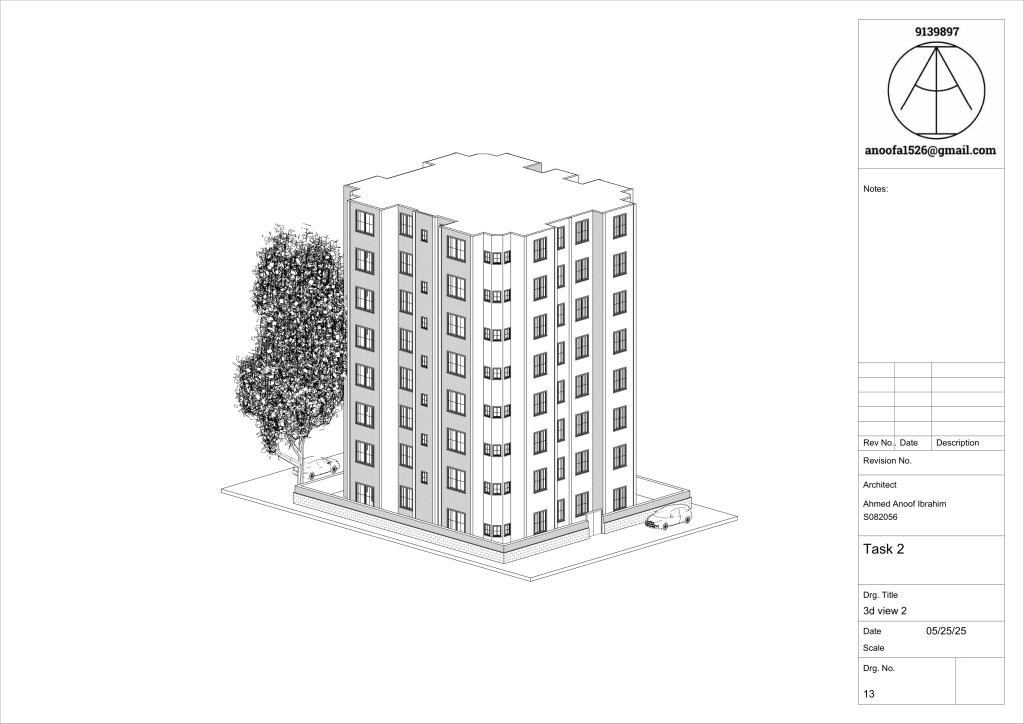
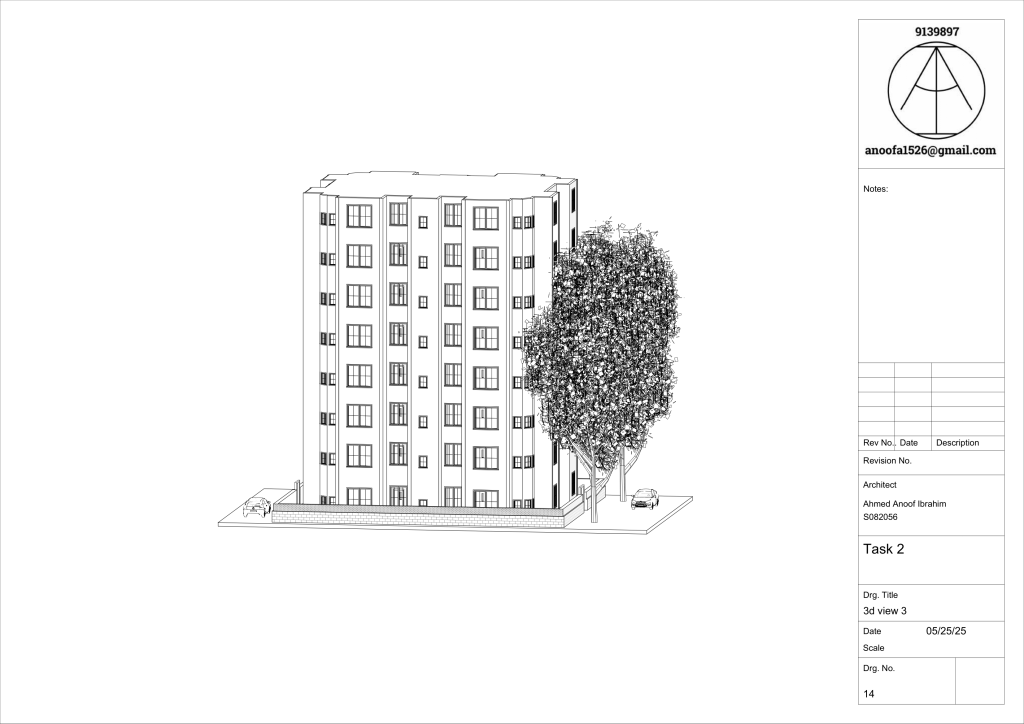
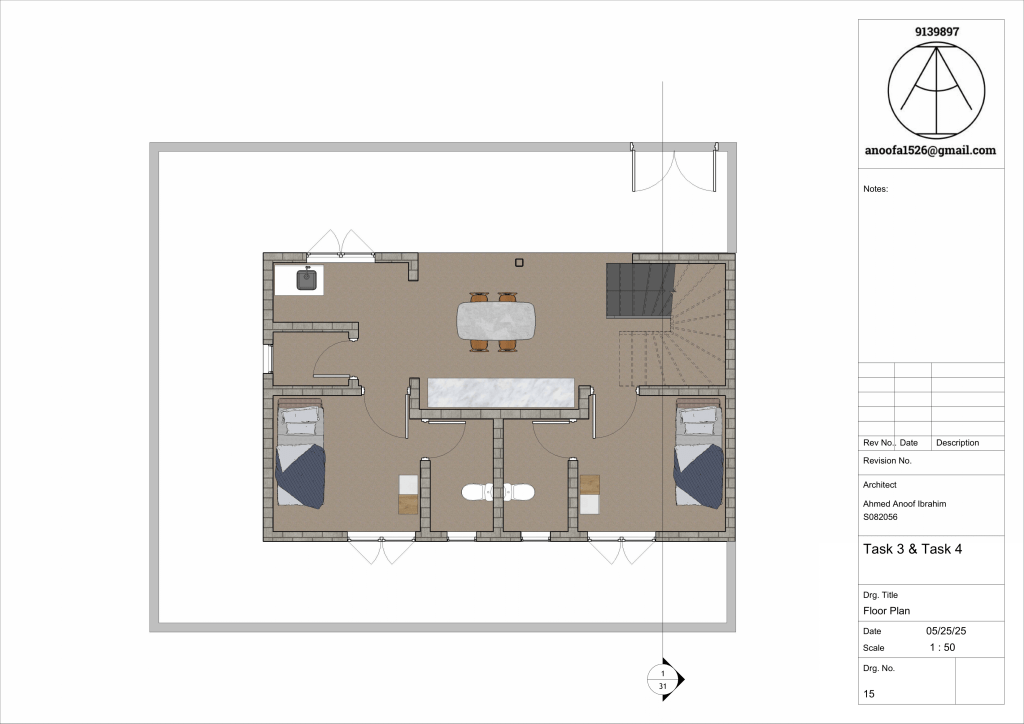
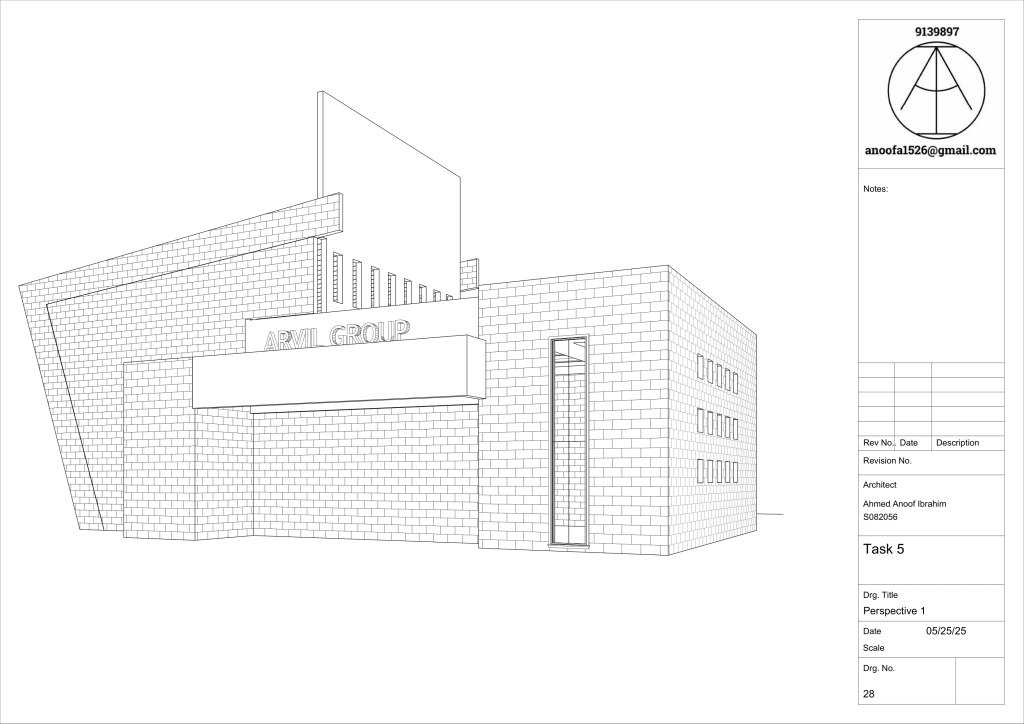
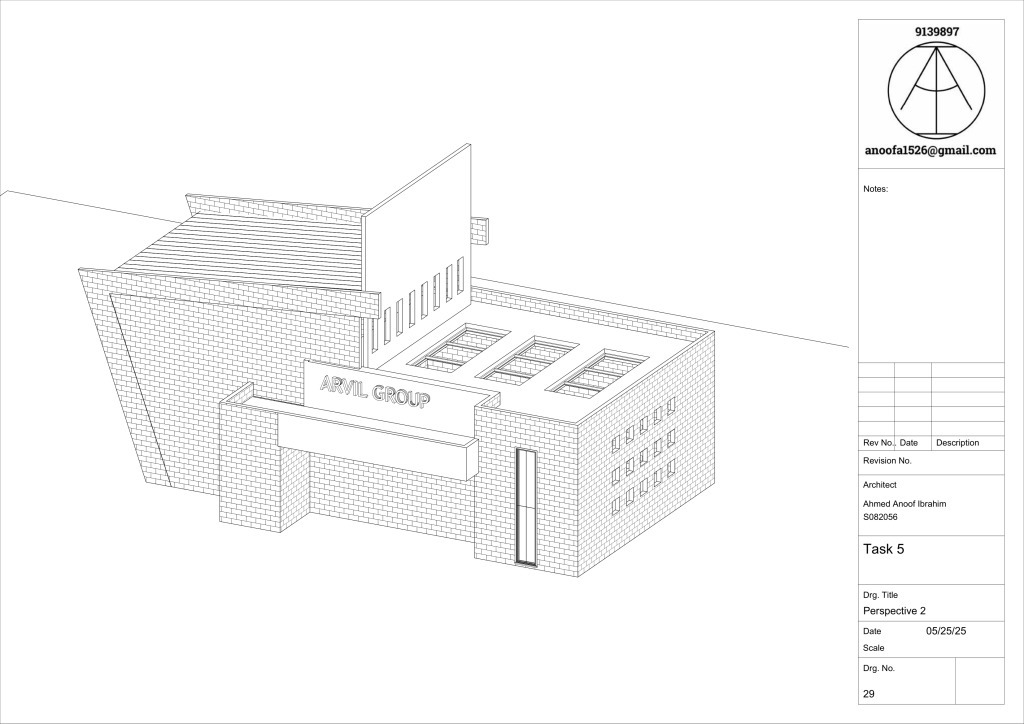
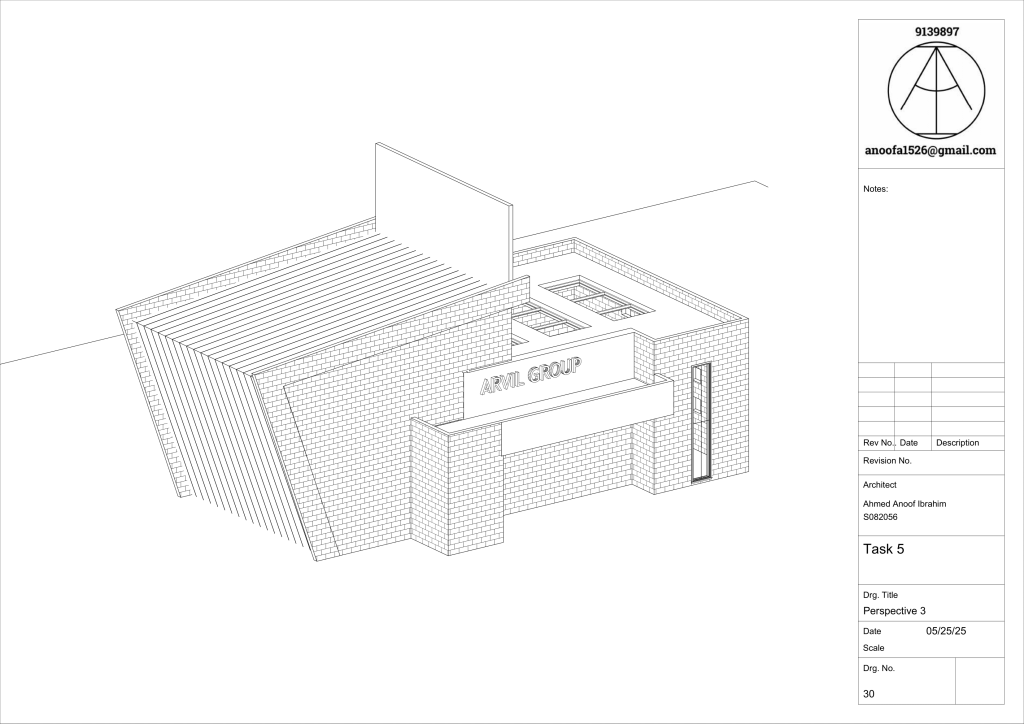
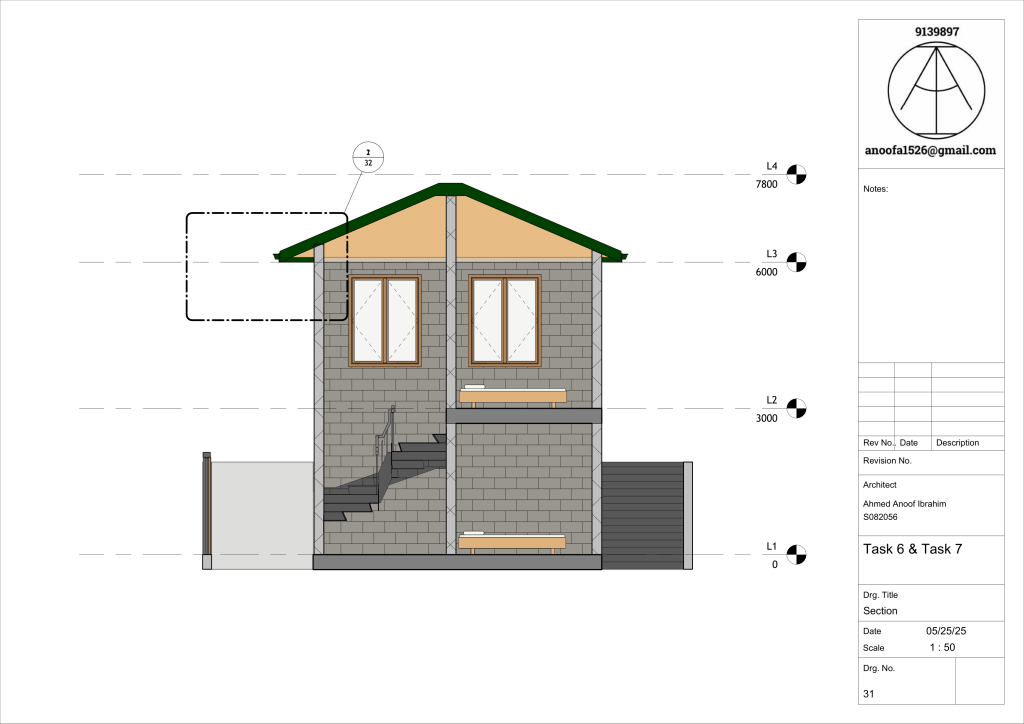
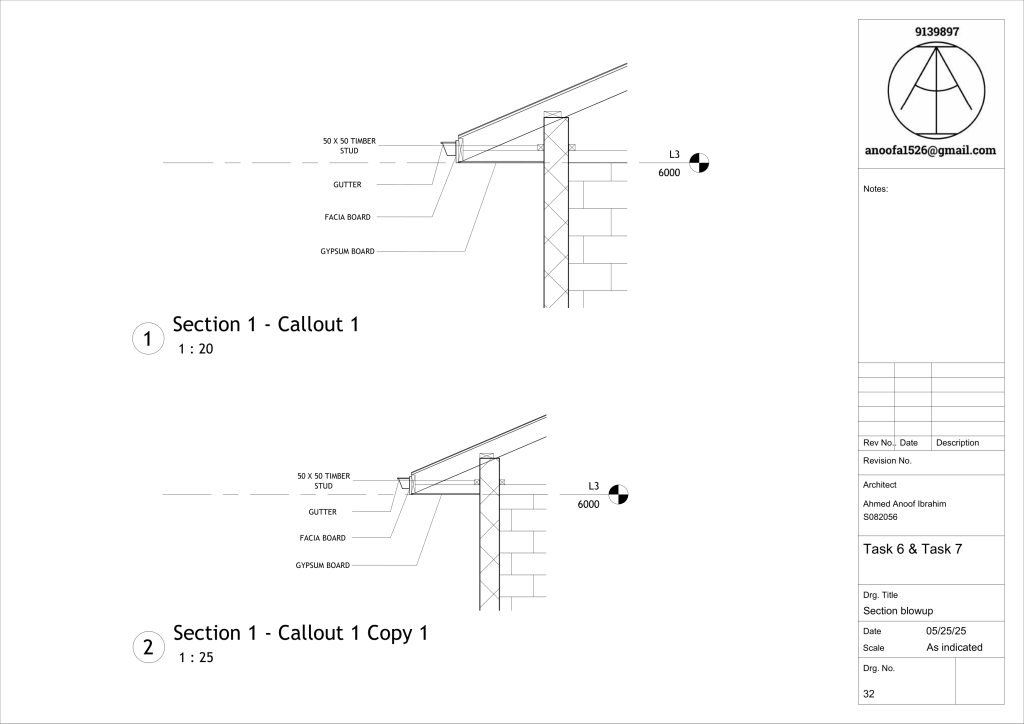
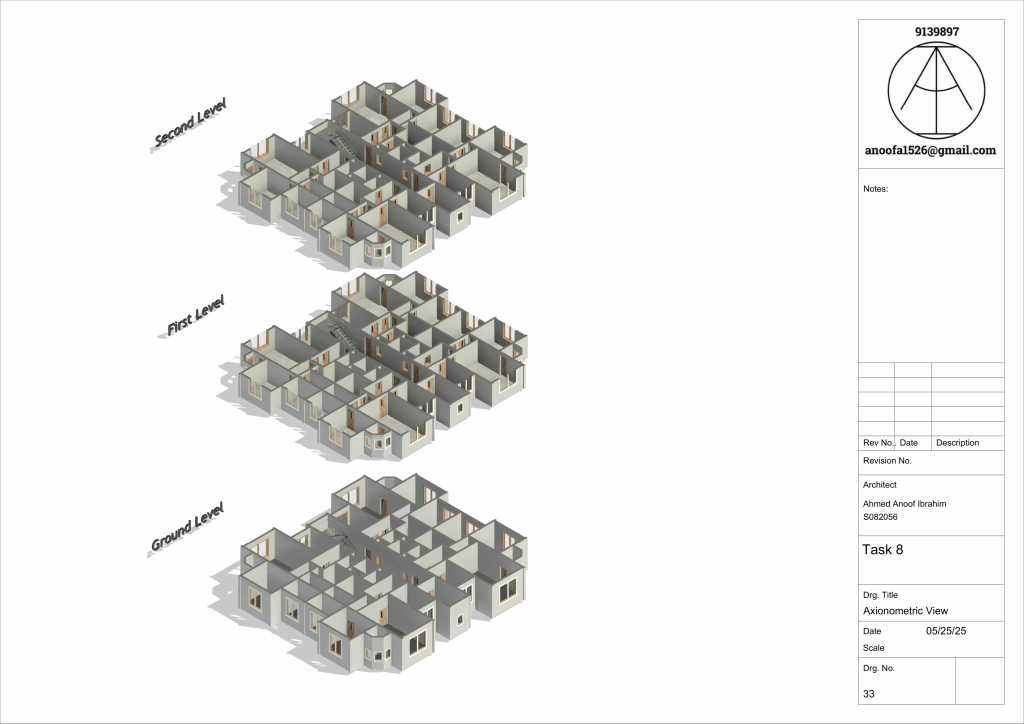
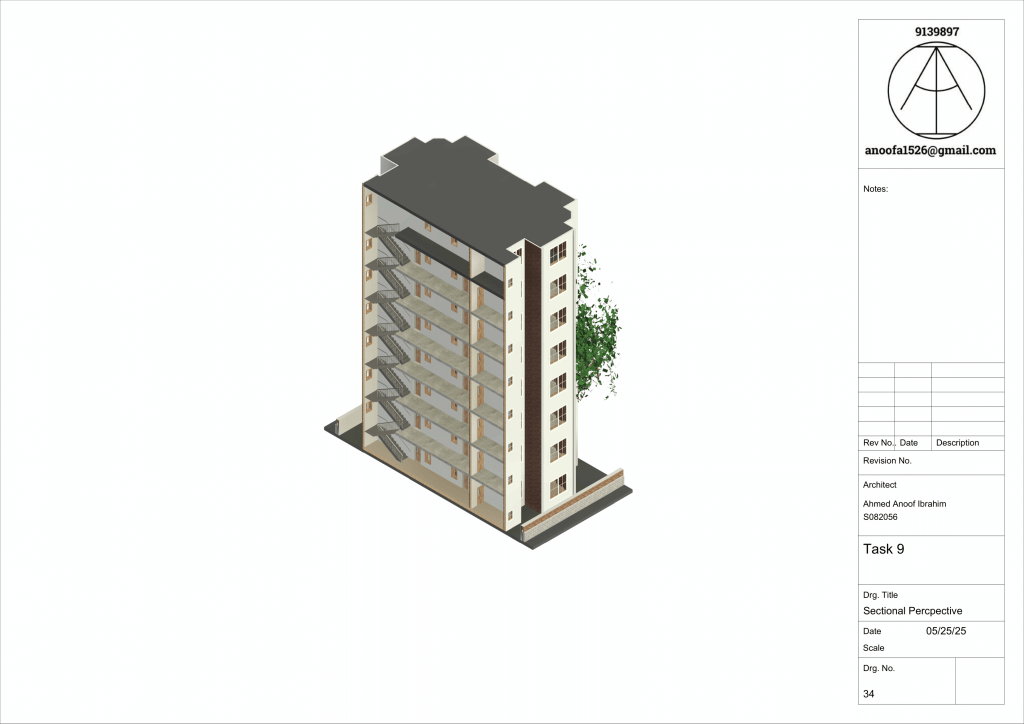
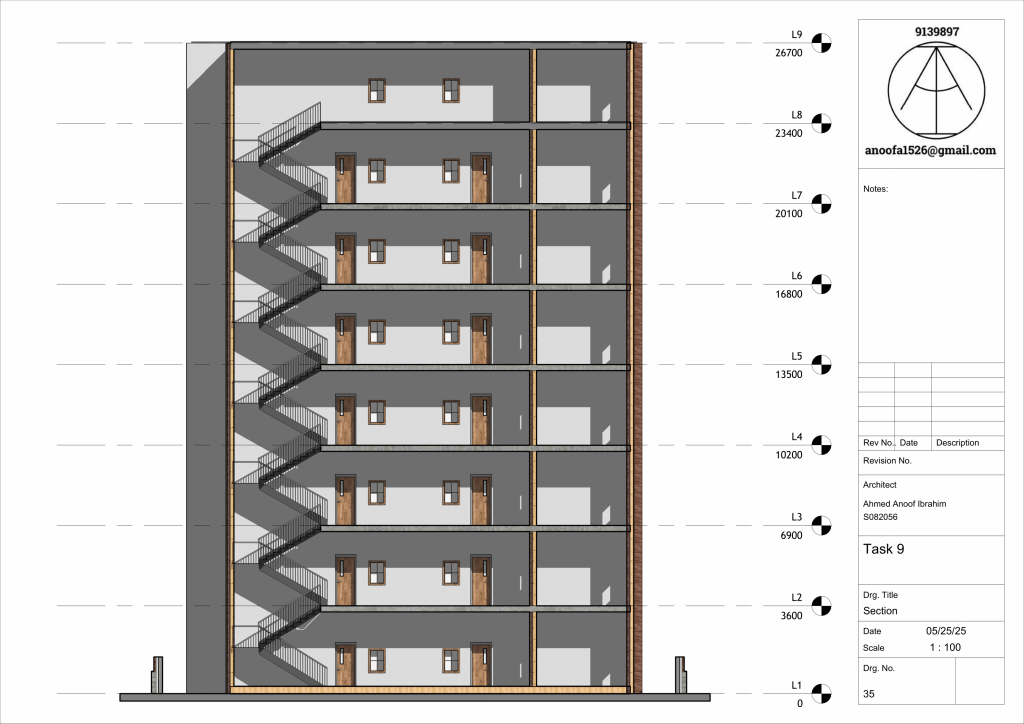
Ex 2. Visualizing Architecture – Interior Perspectives
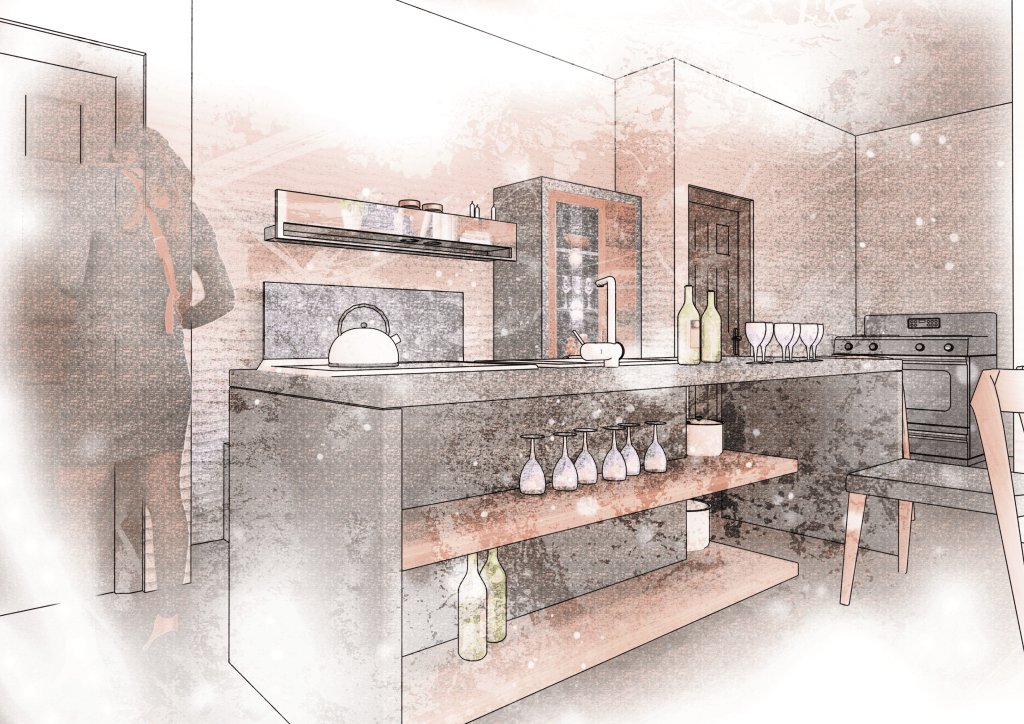
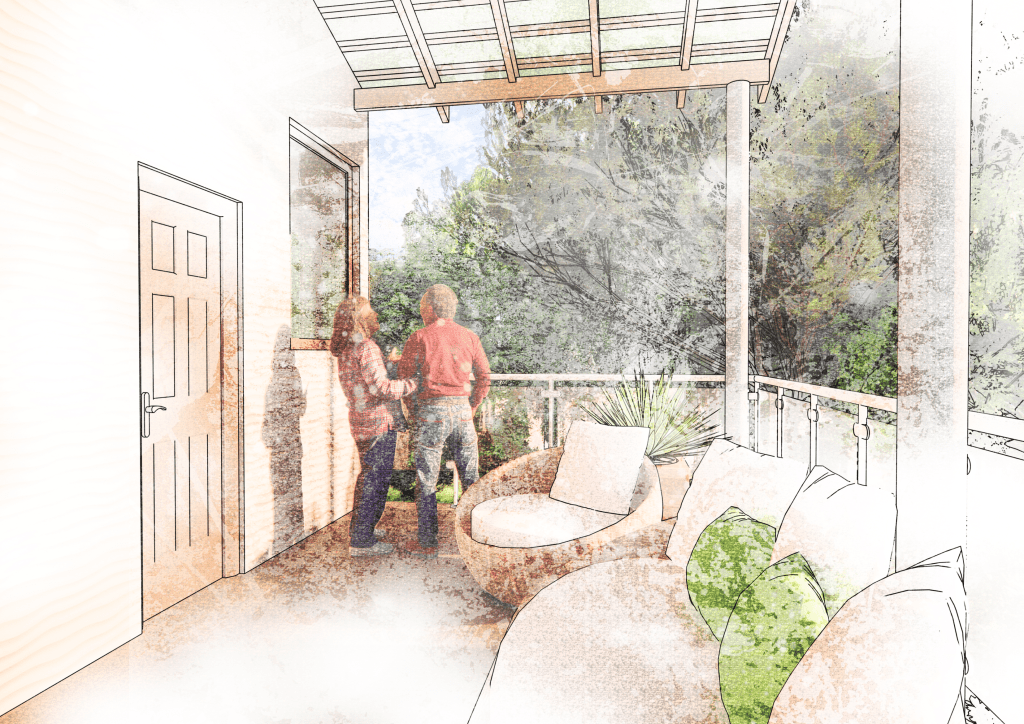
Using a space from Exercise 1, I generated two internal perspective views that capture spatial quality and atmosphere. This task focused on emotional and sensory aspects of space—light, texture, scale, and sequencing were emphasized over raw form.
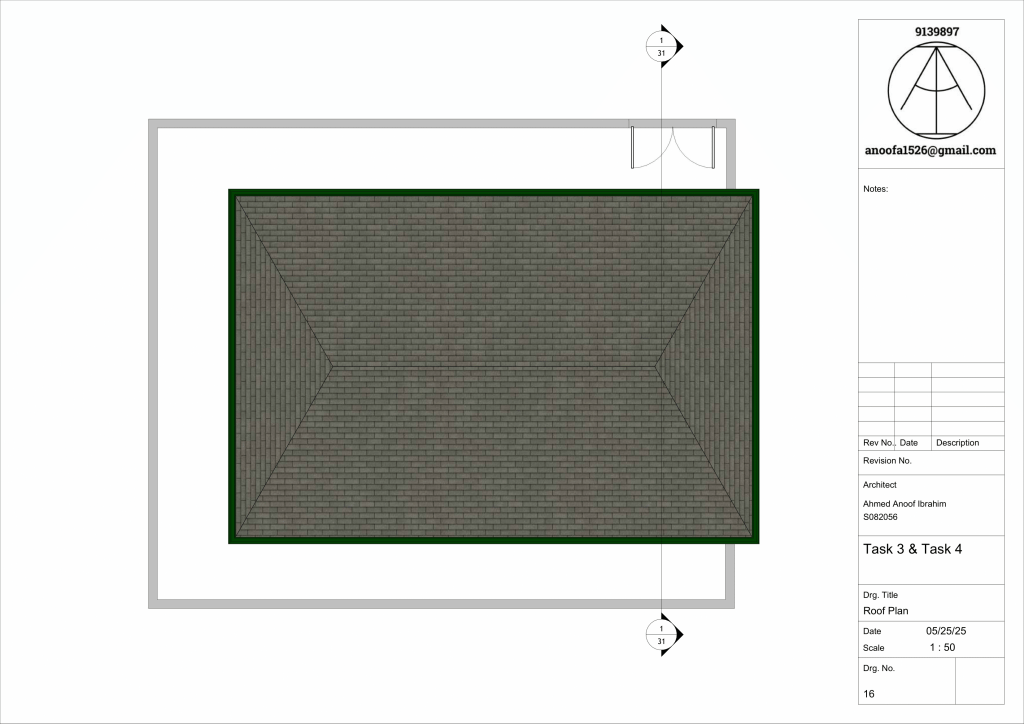
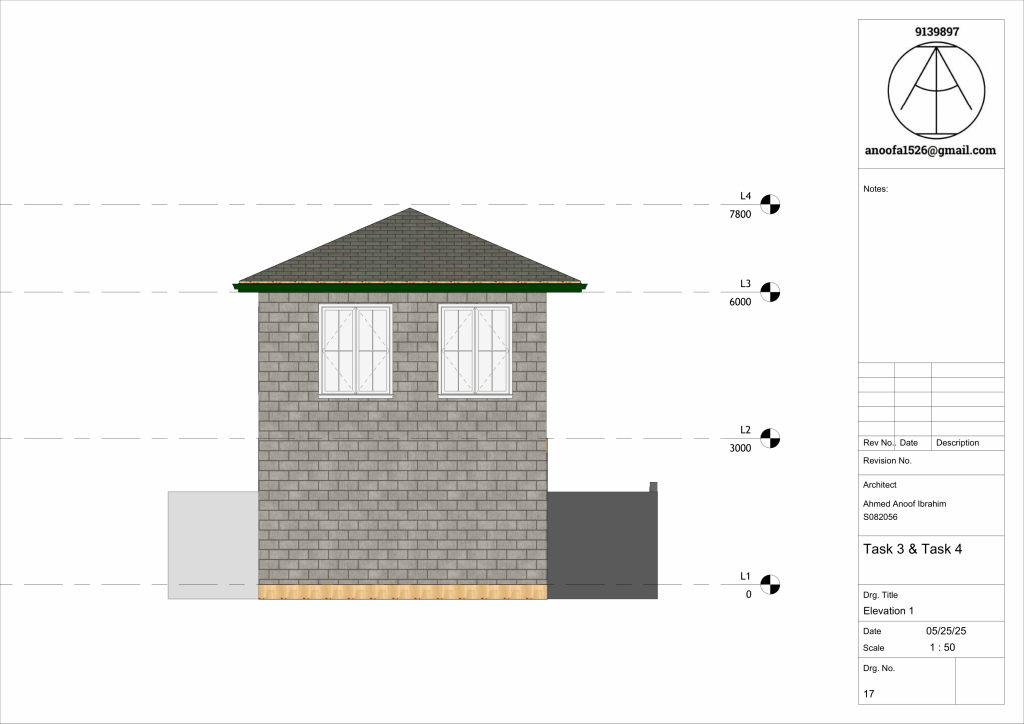
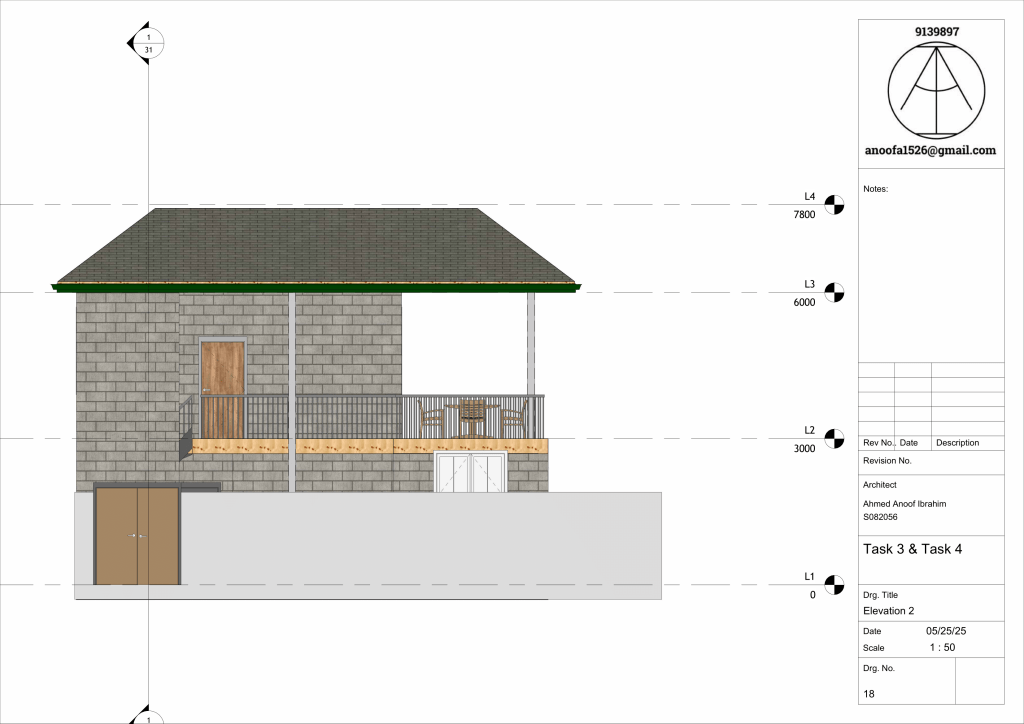
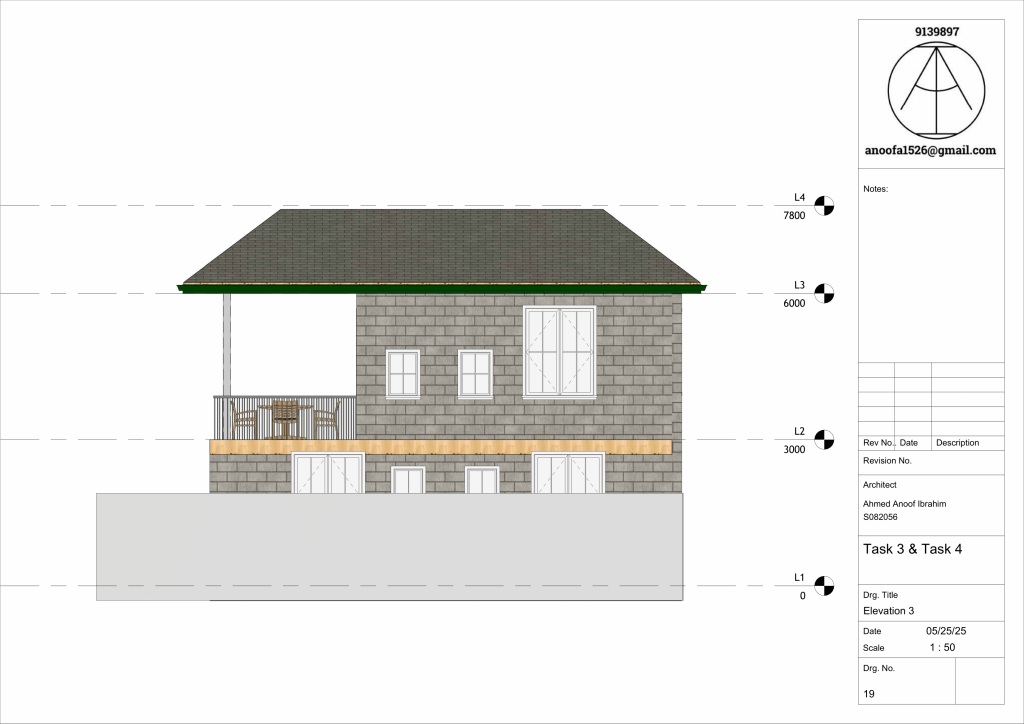
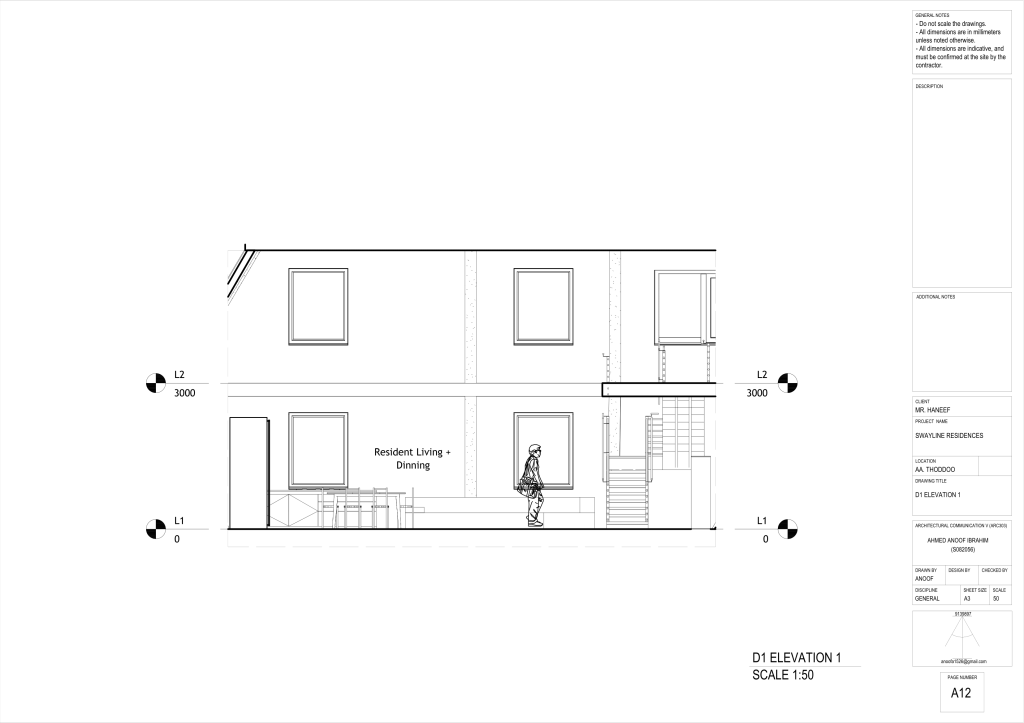
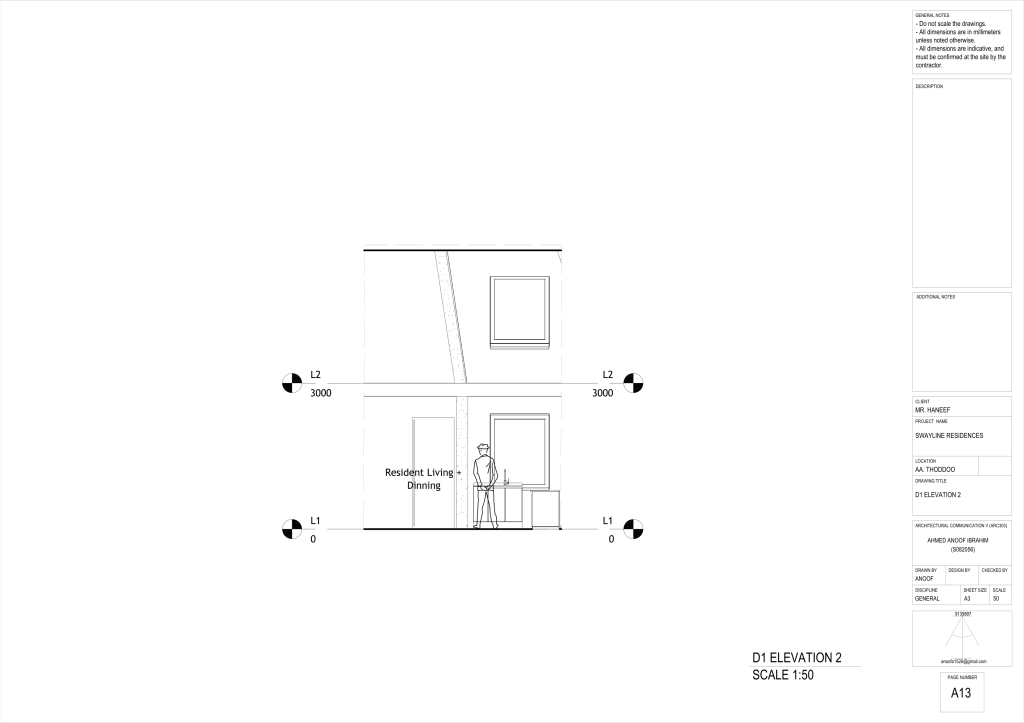
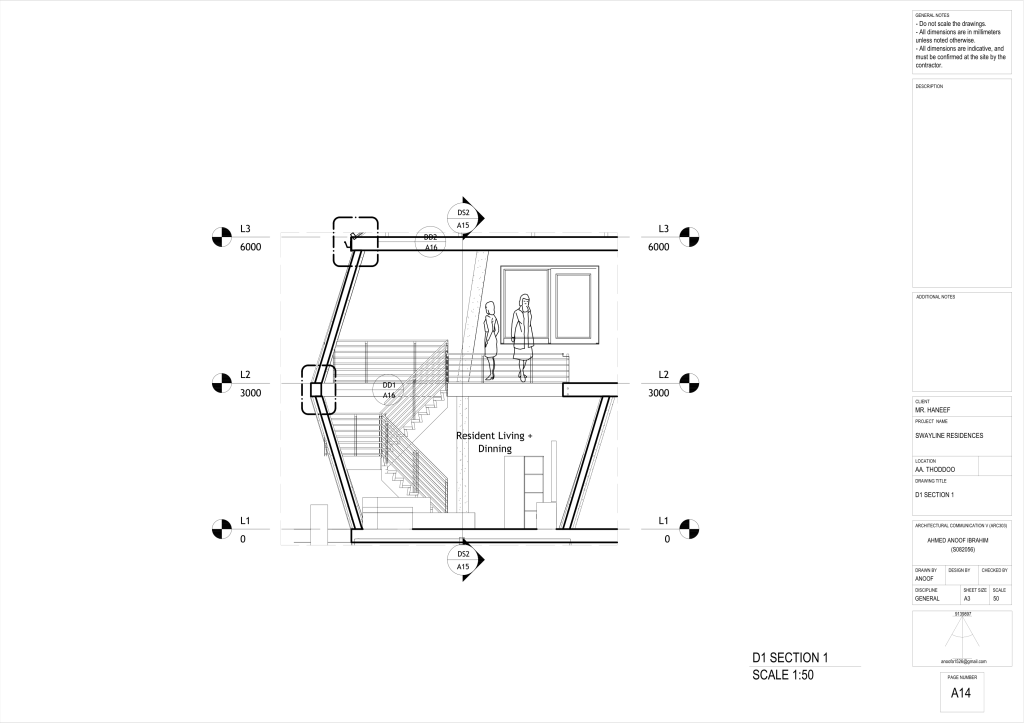
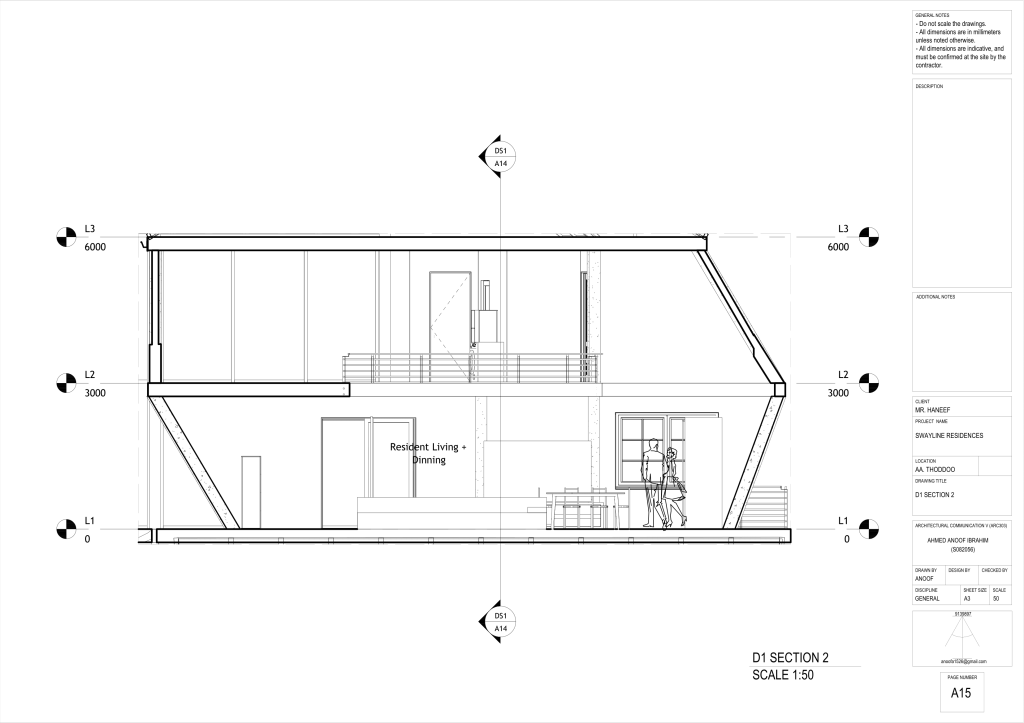
Ex 3. Construction Drawing Set – Technical Documentation
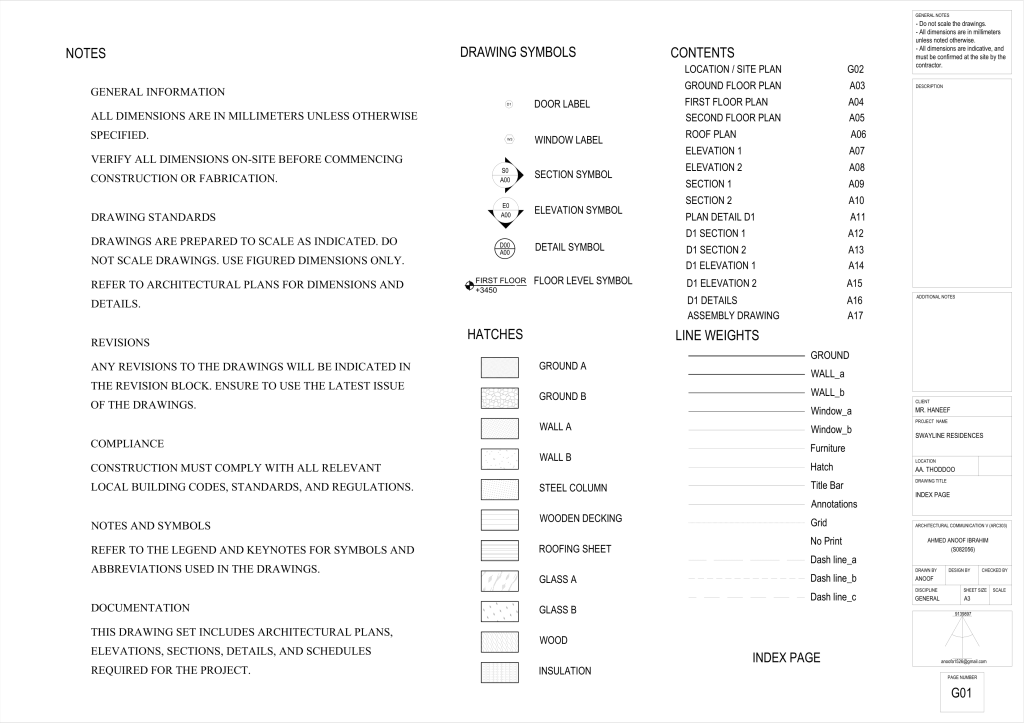
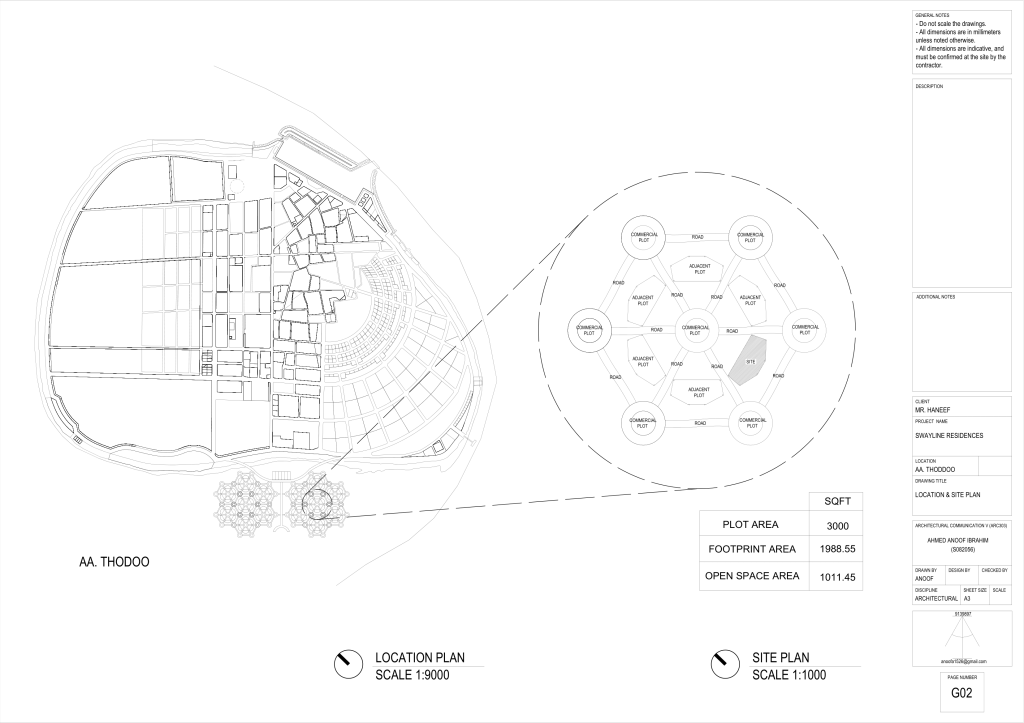
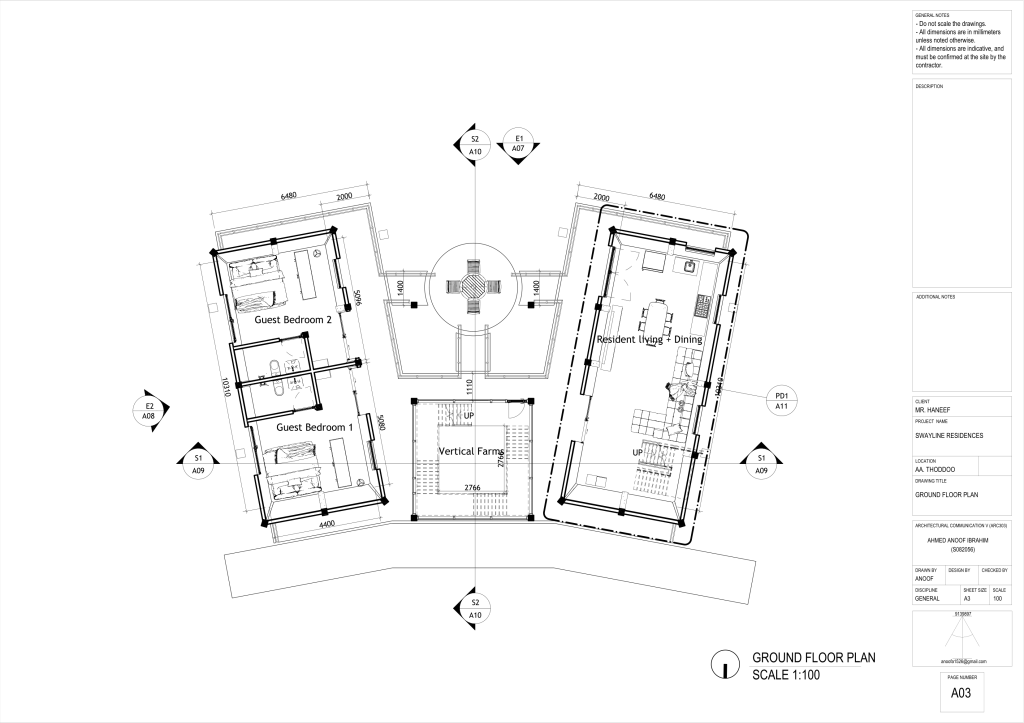
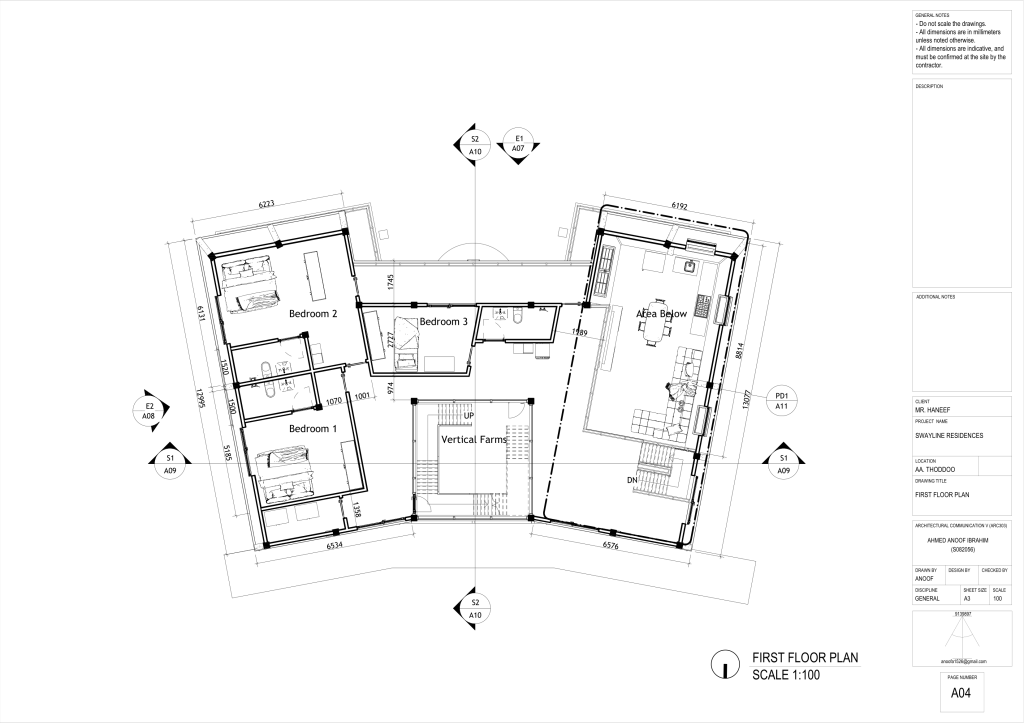
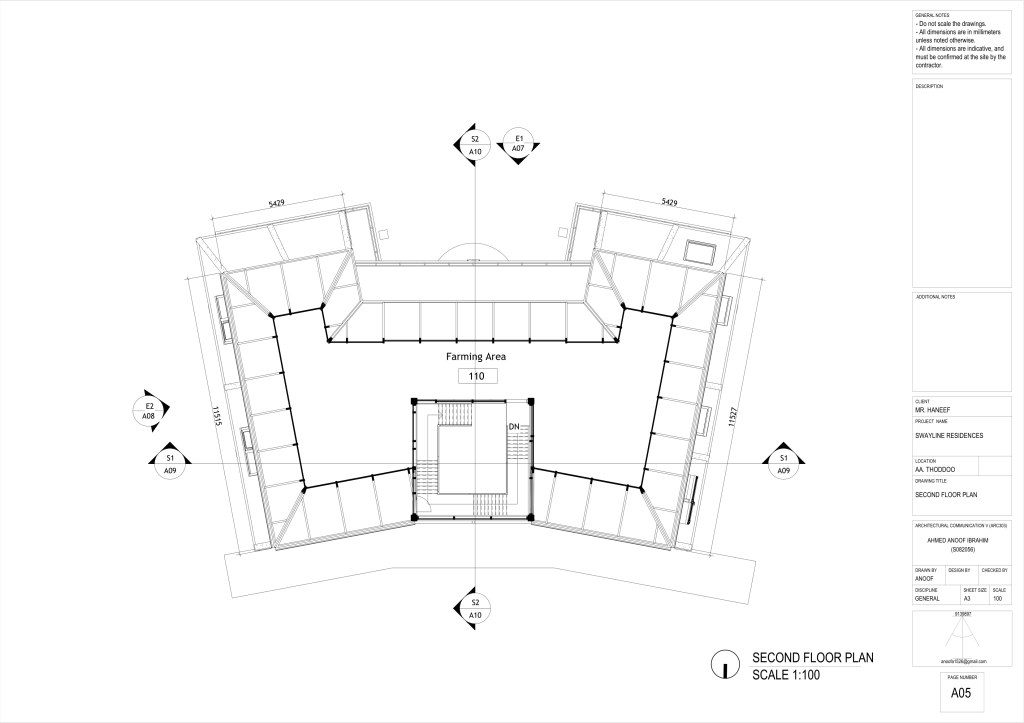
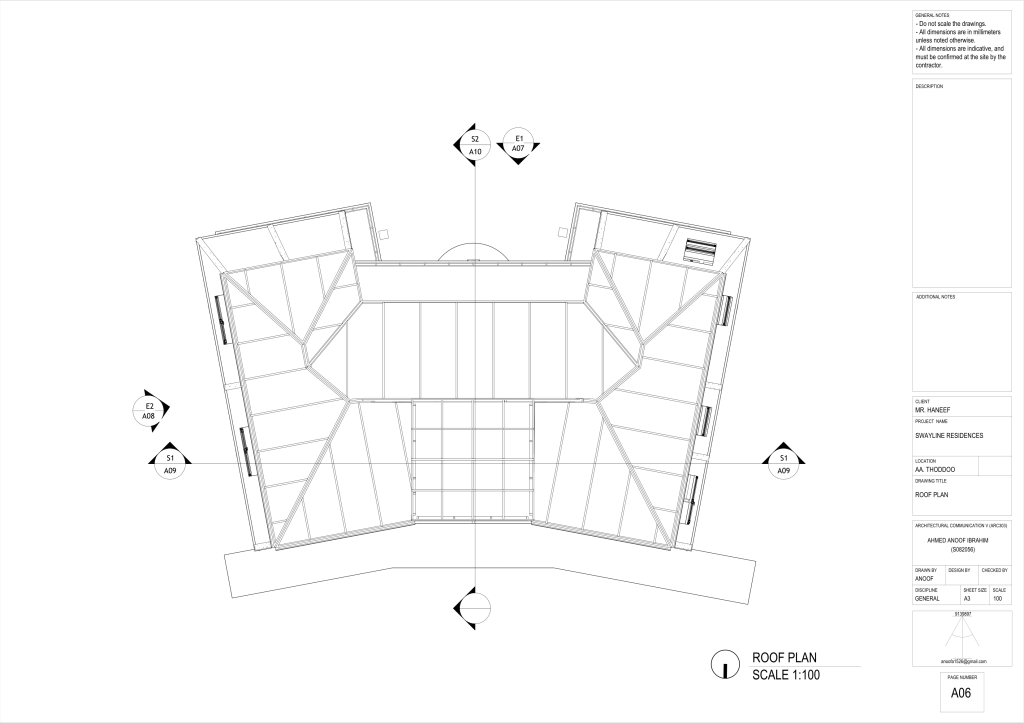
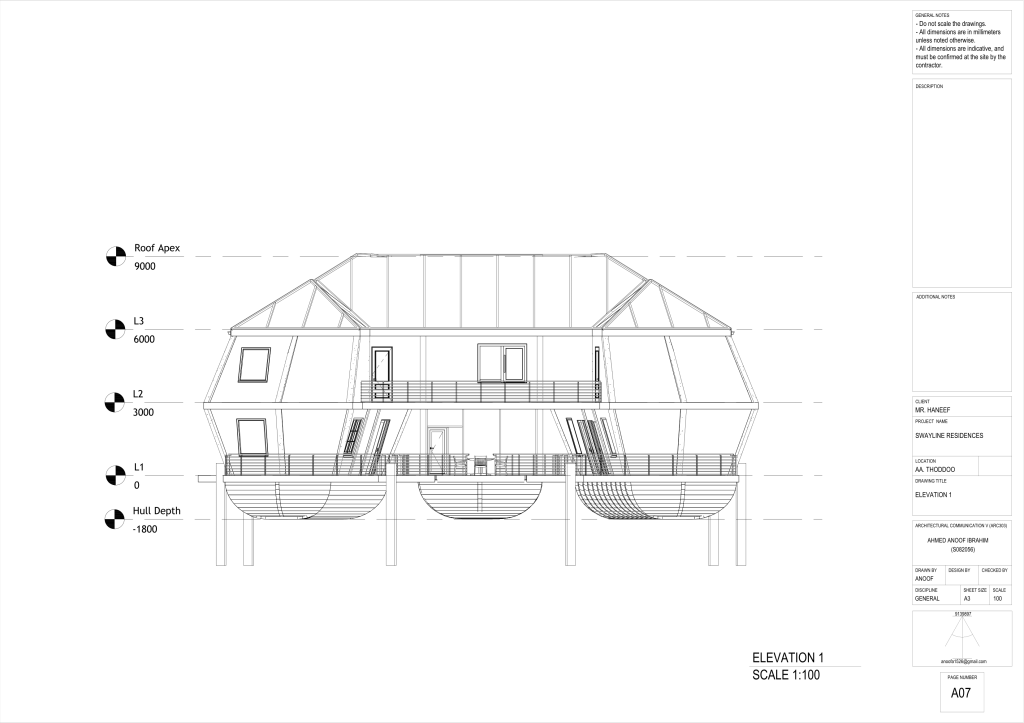
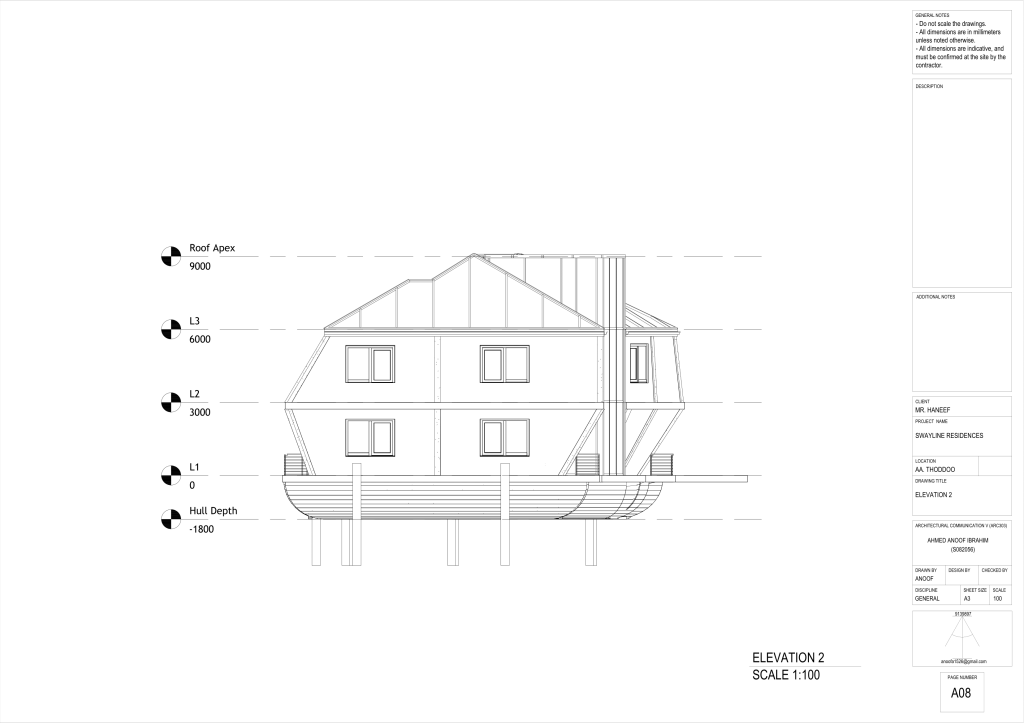
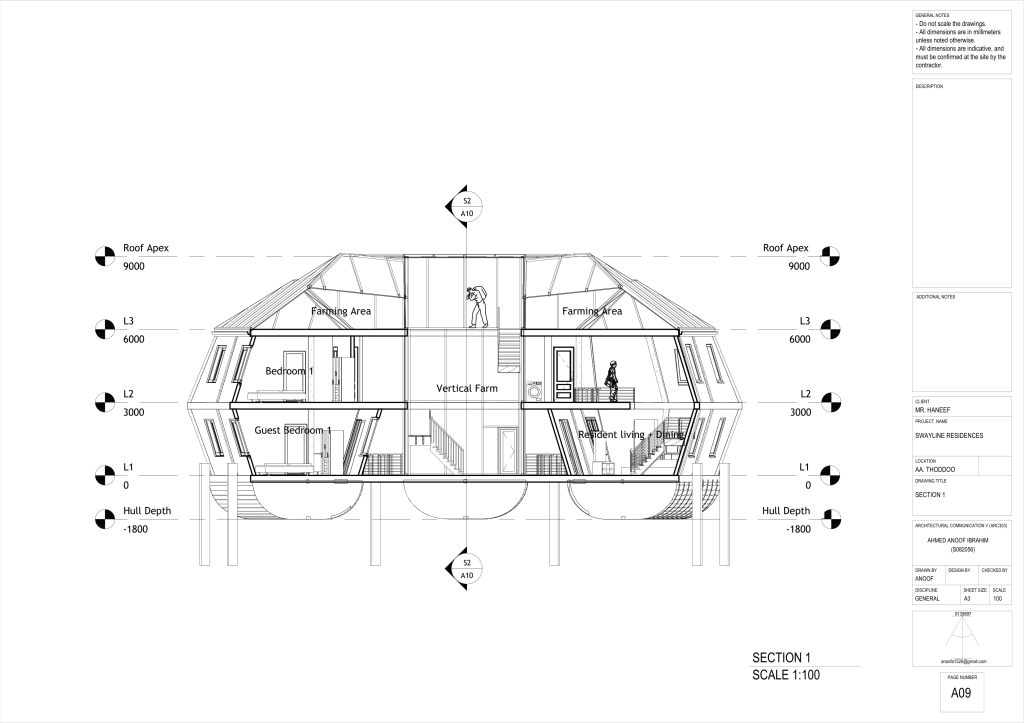
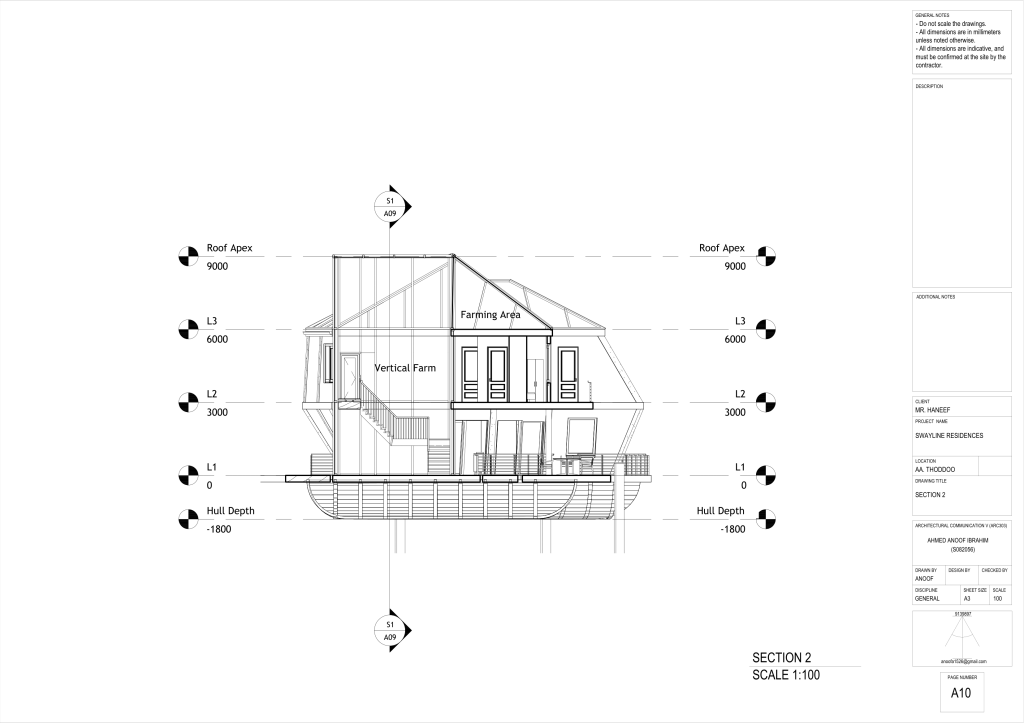
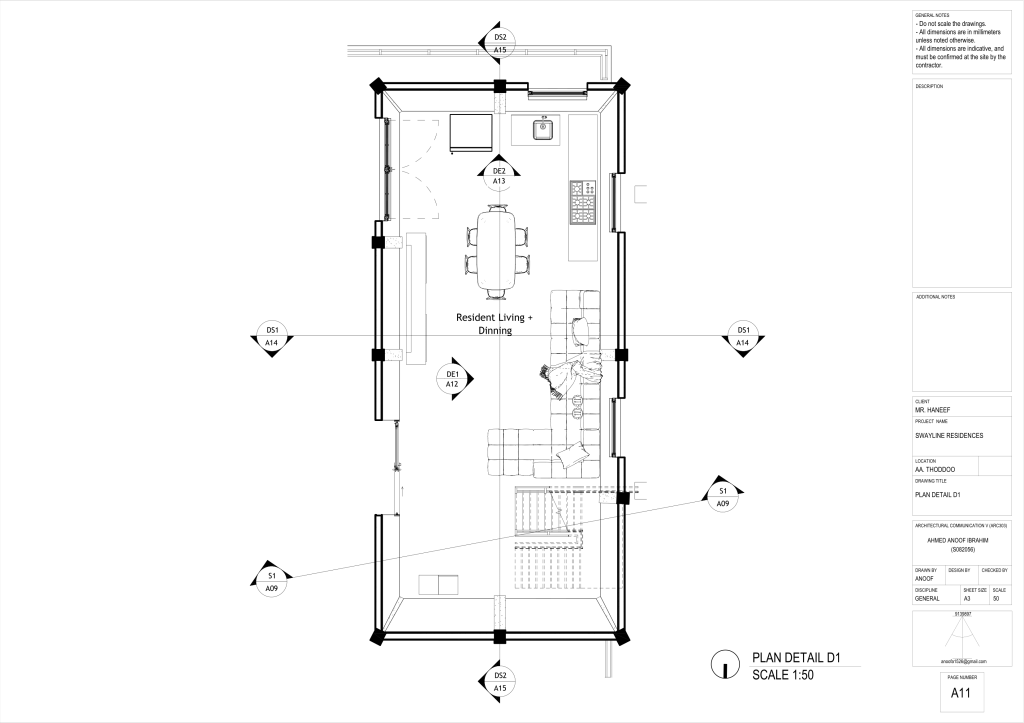
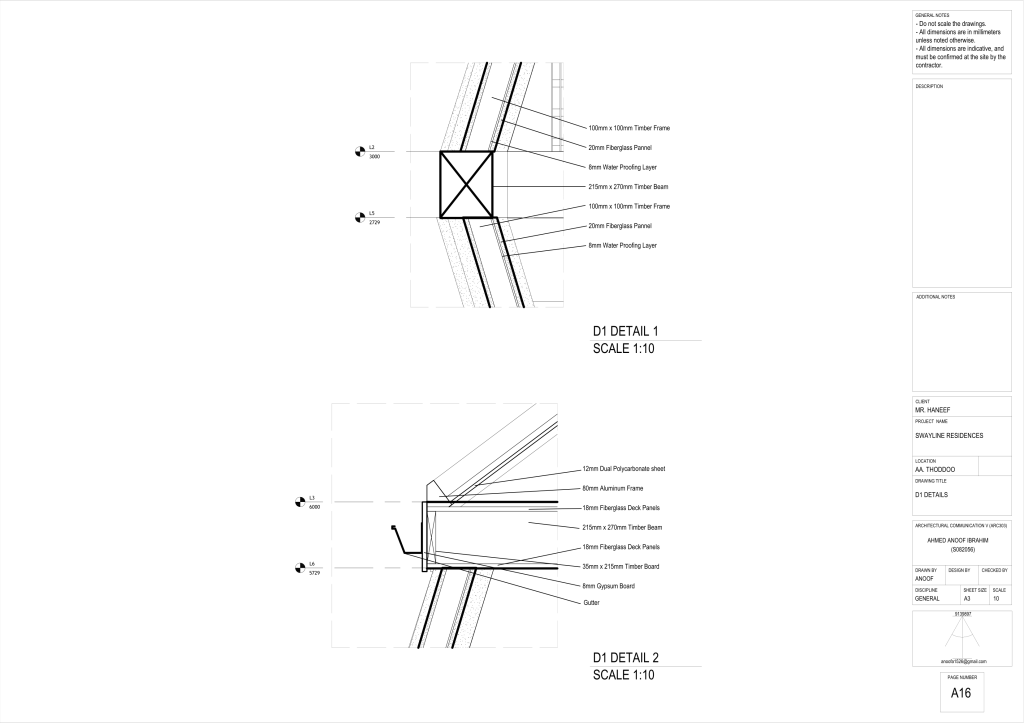
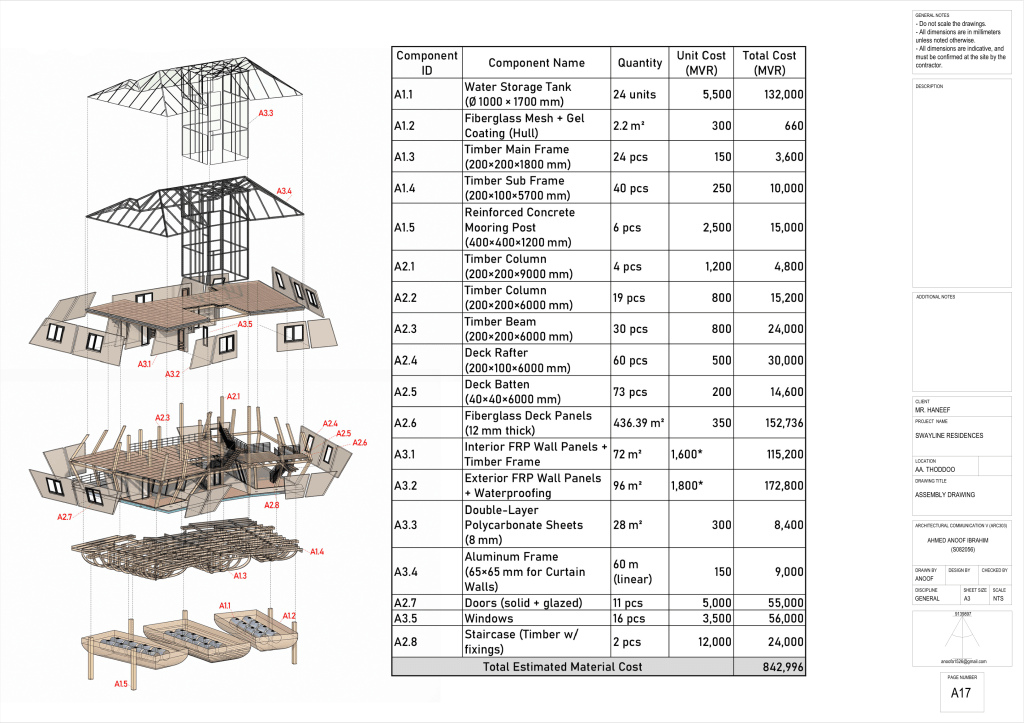
This was a deep dive into architectural documentation. I developed a complete set of construction drawings for my Architectural Design Project V. From general plans to minute detailing at scales of 1:5 and 1:2, this exercise sharpened my eye for precision and taught me how to convey buildable intent through linework and notation. Below is the final working set.
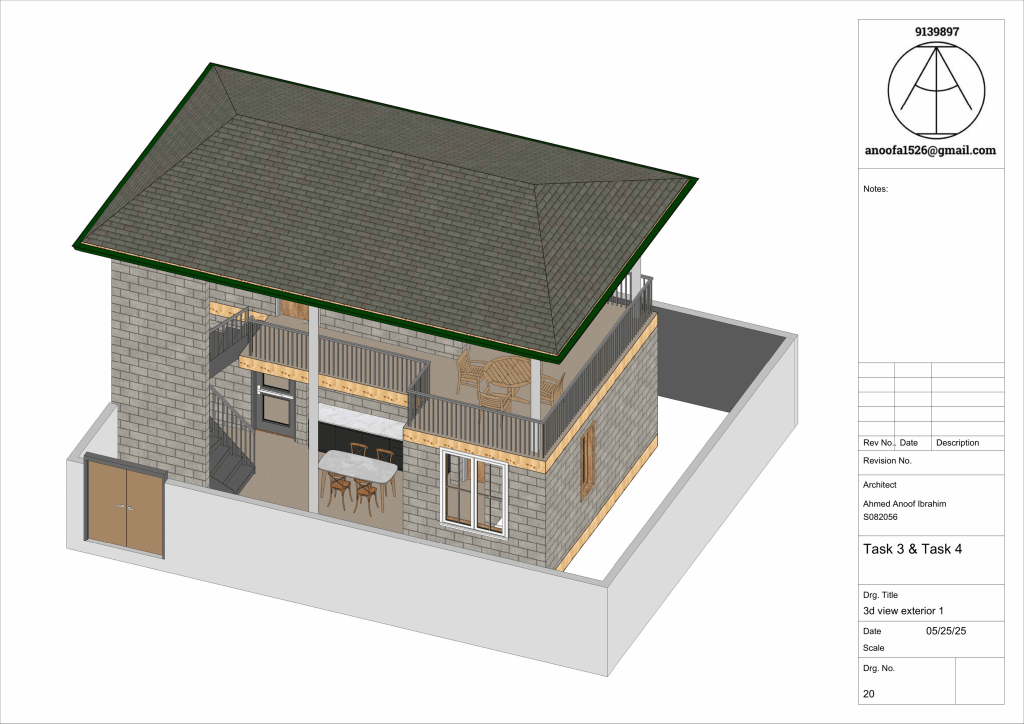
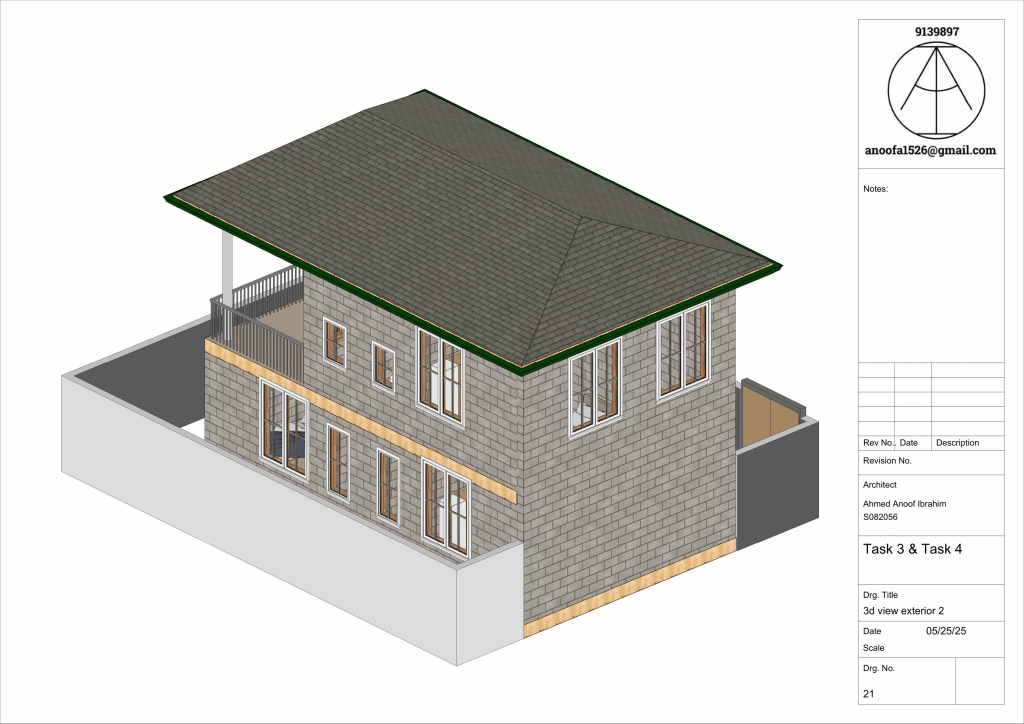
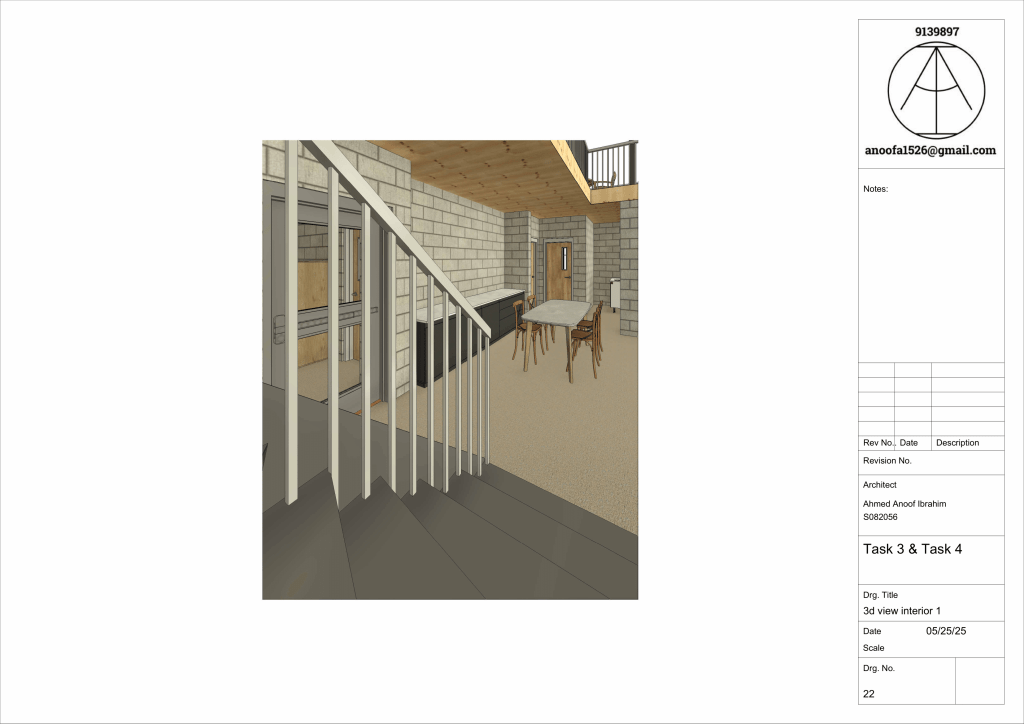
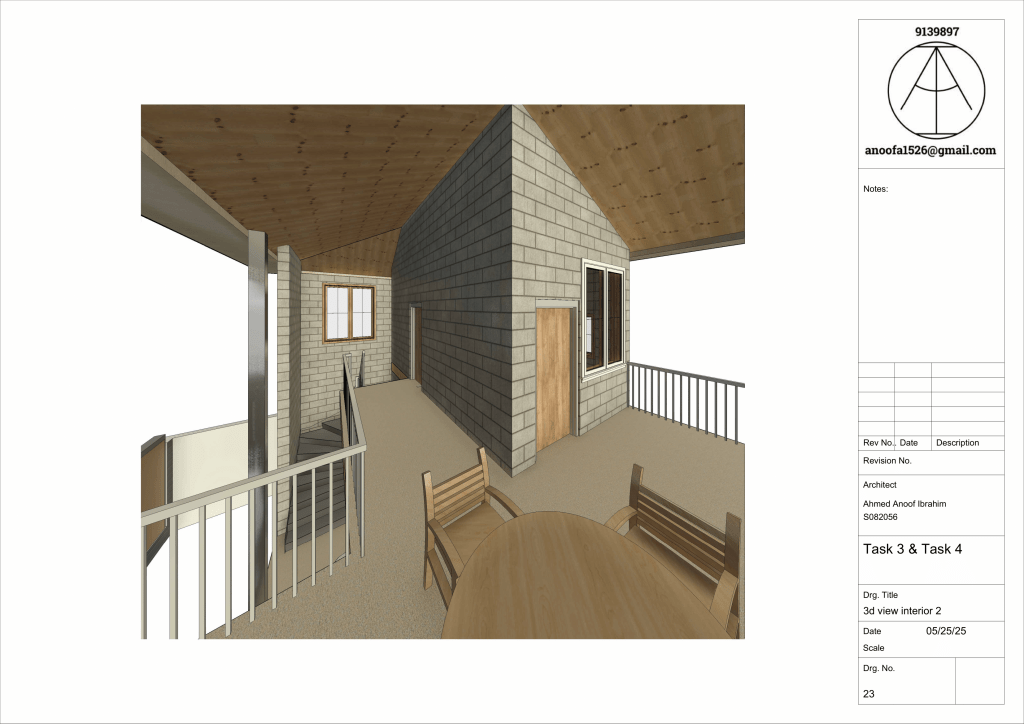
Ex 4. Final Visualization – Design Project Rendering
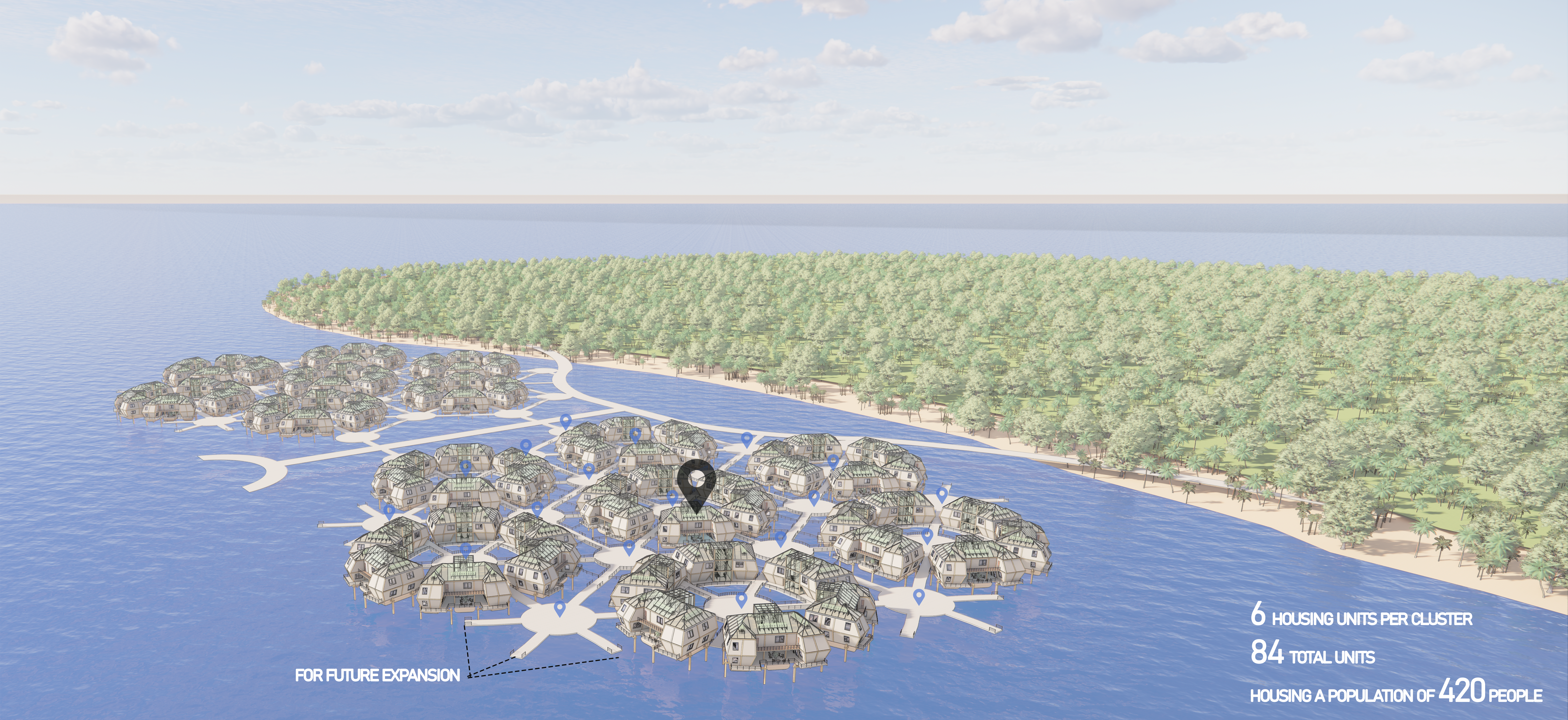
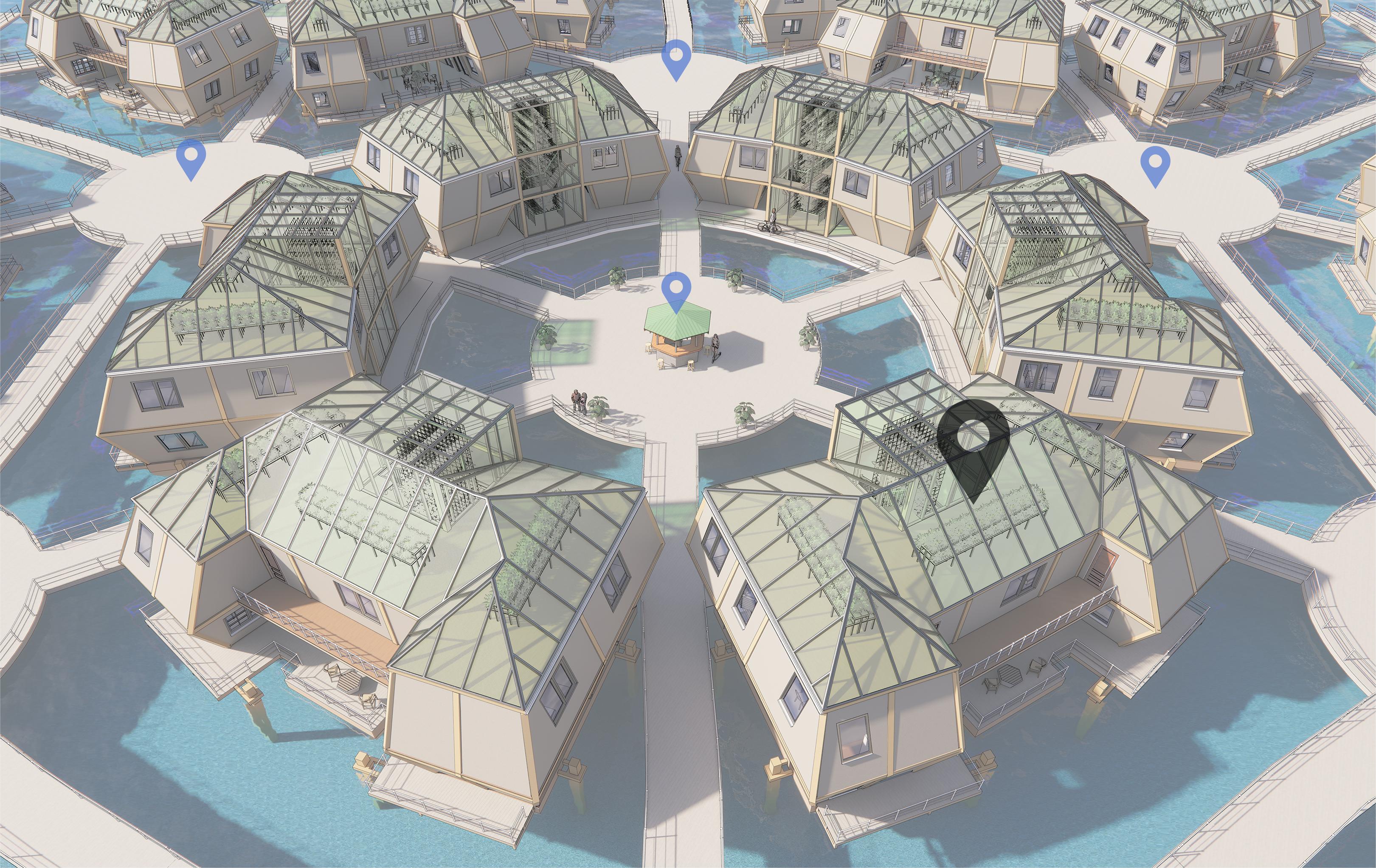
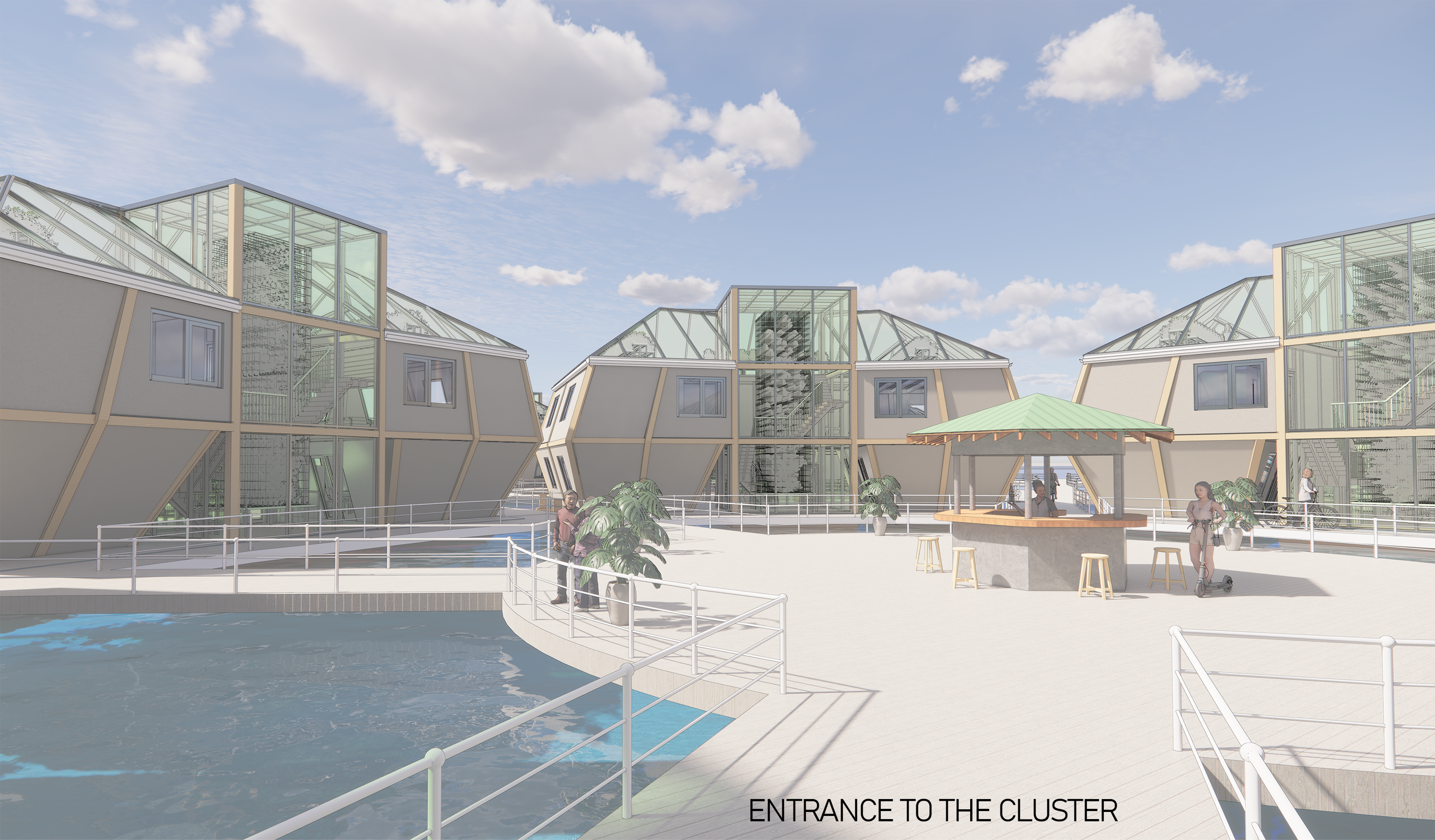
This final visual task involved creating four high-quality renders: two internal and two external views. It was about communicating the full vision of my design, both in context and from a human experience standpoint. I focused on storytelling through environment—landscaping, furniture, figures, and lighting were all considered to evoke emotion and scale.


Leave a Reply