
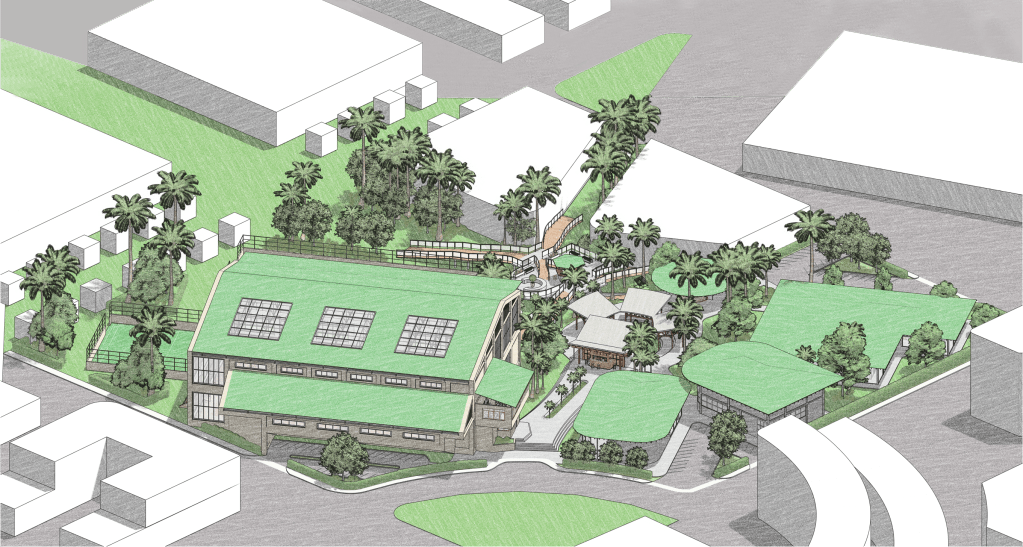
For my Semester 4 project in the Bachelor of Arts in Architectural Design program, I designed a community center in F. Magoodhoo, Maldives. This project required careful consideration of the island’s unique site context and programmatic needs. The design aimed to address specific community-driven objectives, focusing on fostering social interaction, cultural enrichment, and environmental sensitivity. The project emphasized creating a multifunctional space that integrates seamlessly with the natural and built environment, reflecting the island’s distinctive identity and supporting the needs of its residents.
F. Magoodhoo Analysis
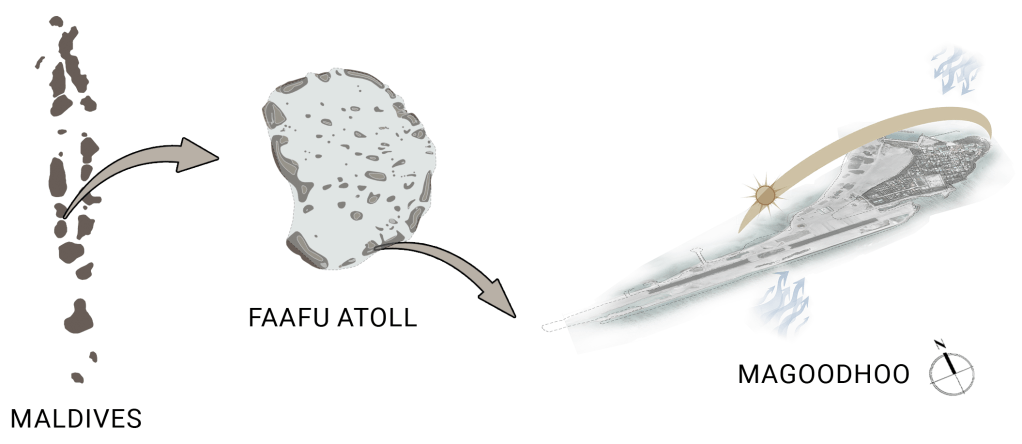
F. Magoodhoo is a small island in Faafu Atoll, Maldives, located about 120 kilometers southwest of Malé city, the capital. F. Atoll, is a small atoll in the central part of the Maldives, Comprising 23 islands, five of which are inhabited. The atoll’s capital, Nilandhoo, is the largest and most populated island.
Land Development
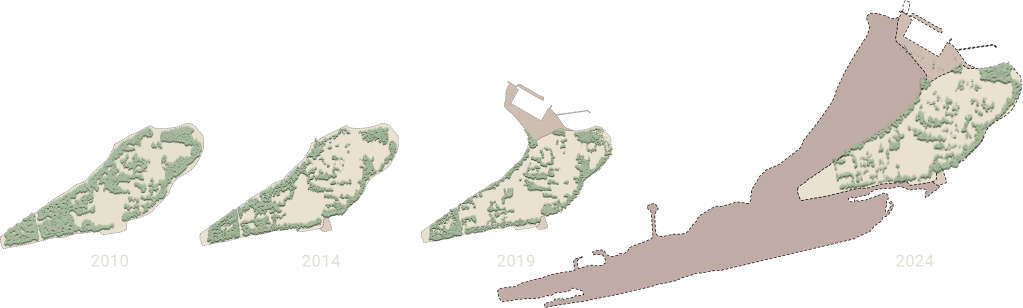
The island has seen major changes, with vegetation declining from 42% in 2010 due to housing, farming, and reclamation projects. By 2023, large-scale lagoon reclamation for an airport drastically altered the landscape, with trees relocated to the harbor area.
Masterplan
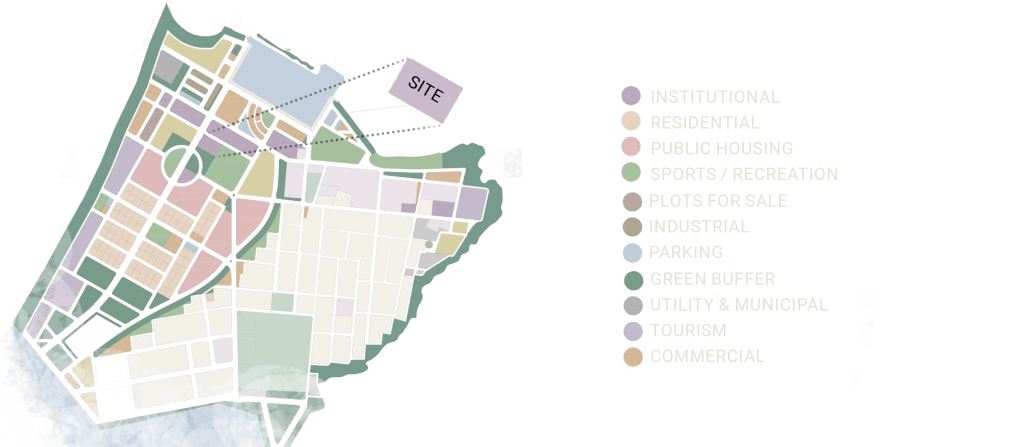
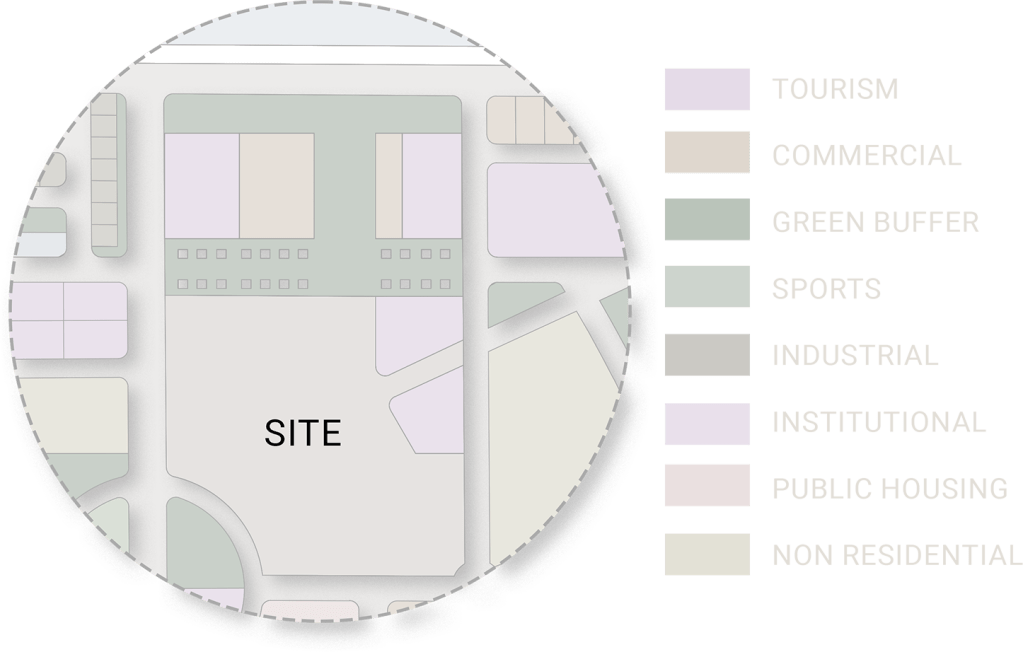
An analysis of the current Land Use Plan (LUP) of Magoodhoo and the designated plot for the proposed community center indicates that the existing LUP could benefit from modifications to better accommodate the community center within its context. Specific modifications have been designed to enrich the center’s integration into its surrounding environment.
Space Planning
The process for realizing the plot involves three key steps: acknowledging and understanding the programming and sizes of the allocated plots, merging the land use of all four plots for effective planning, and aligning the layout with a primary axis through settlements to enhance circulation and provide a clear vista to the community center. The final arrangement considers direct road connections from settlements and the harbor, ensuring the program is efficiently allocated.

Final Layout
Artwork

Sprits of Belonging
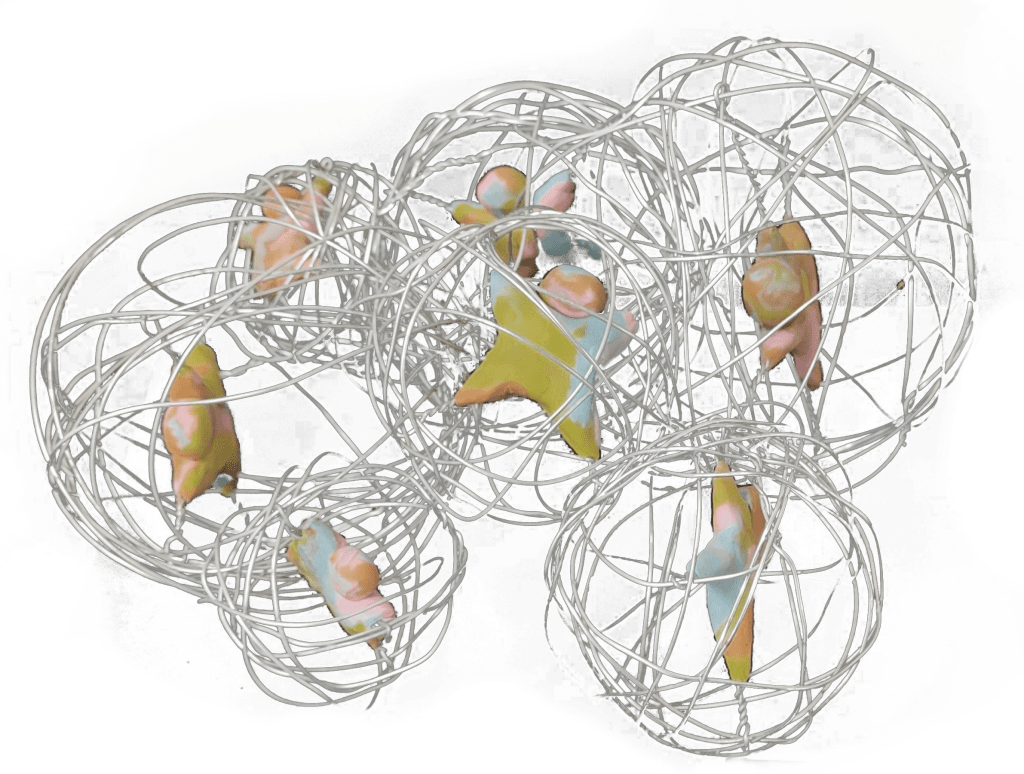
This artwork and touchstone represent the essence of community gathering on F. Magoodhoo Island. The free-floating spirits symbolize the intangible “spirit of the place” — the essence of each gathering space, bound to that location by years of interaction and connection.
These spirits hover gently, illustrating how people are drawn to these spots, not because of the physical objects or amenities, but because of a deep sense of belonging that has formed over time. The orbits encircling each spirit reflect the invisible pull that gathering places have on the islanders. Each space is special, imbued with personal and collective memories.
The color palette reinforces this connection: blue symbolizes the environment, while orange represents the human warmth that animates these spaces. Together, the abstract forms capture the balance between physical space and emotional ties, illustrating how places are meaningful because of the community that inhabits them.
Touchstone
Concept
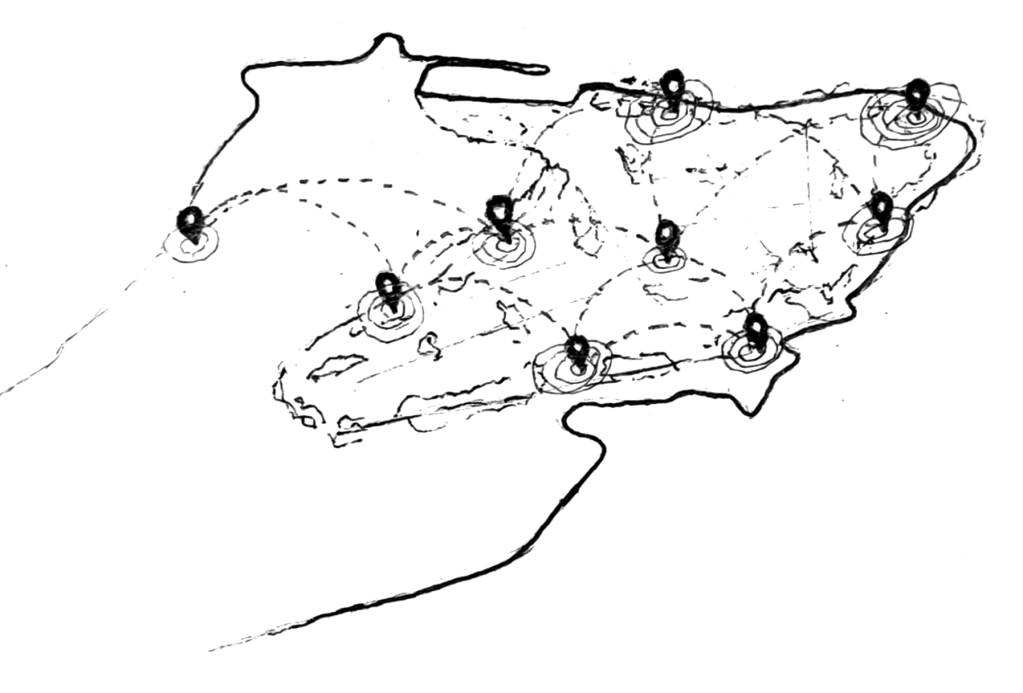
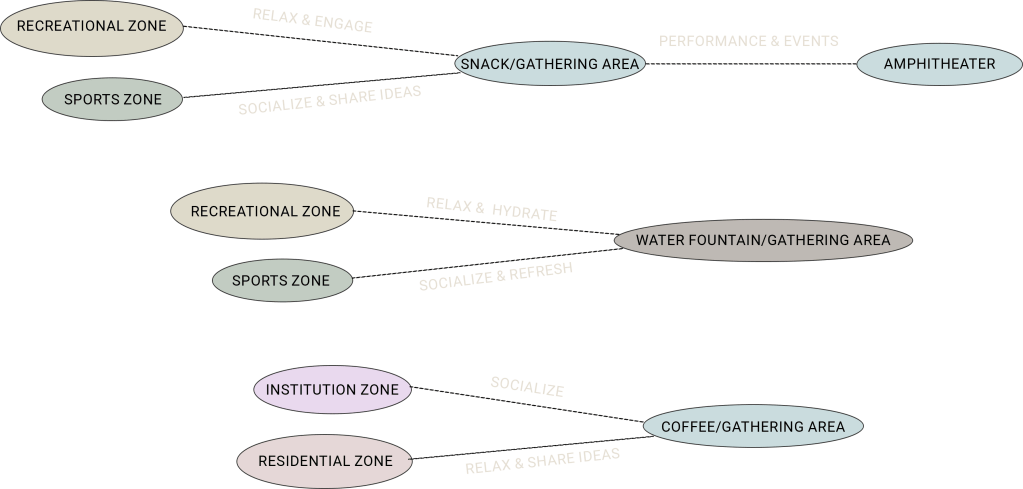
has several informal gathering spots that has a unique spirit of a place, but they lack a centralized location where diverse groups can meet and interact more organically
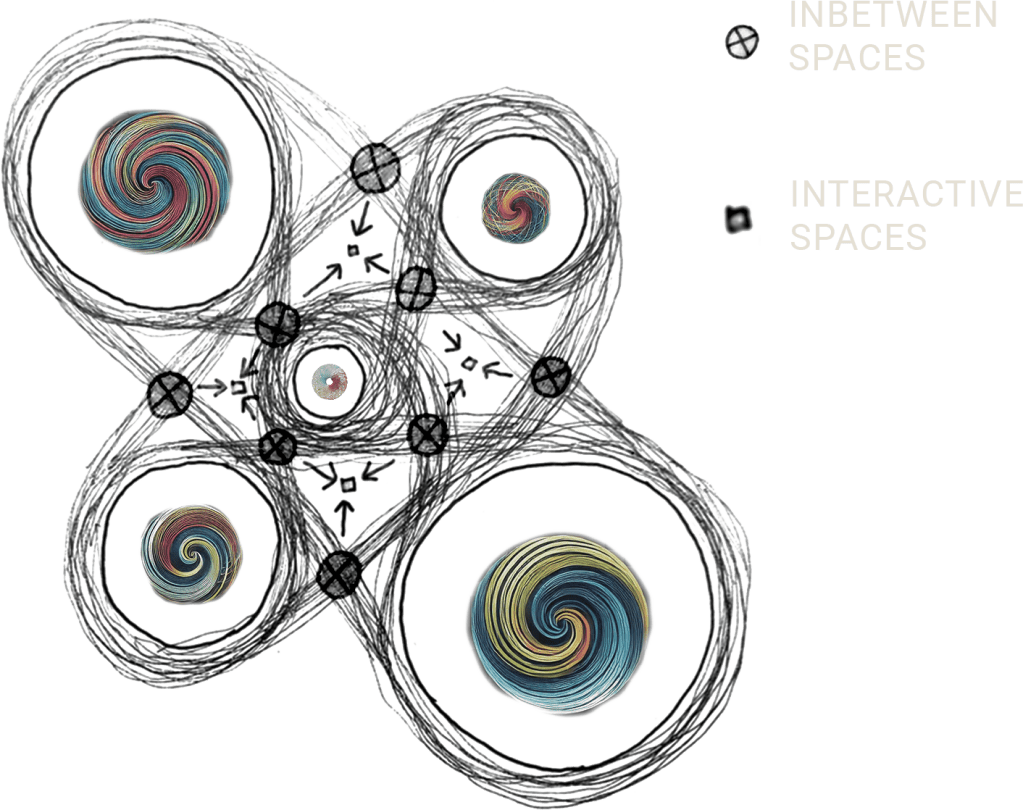
Creating a center with distinct zones for specific interests—while also incorporating in-between spaces that encourage natural social interactions. These “collision points” are designed to bring people from different zones together, fostering spontaneous connections.
Strategies
Programming
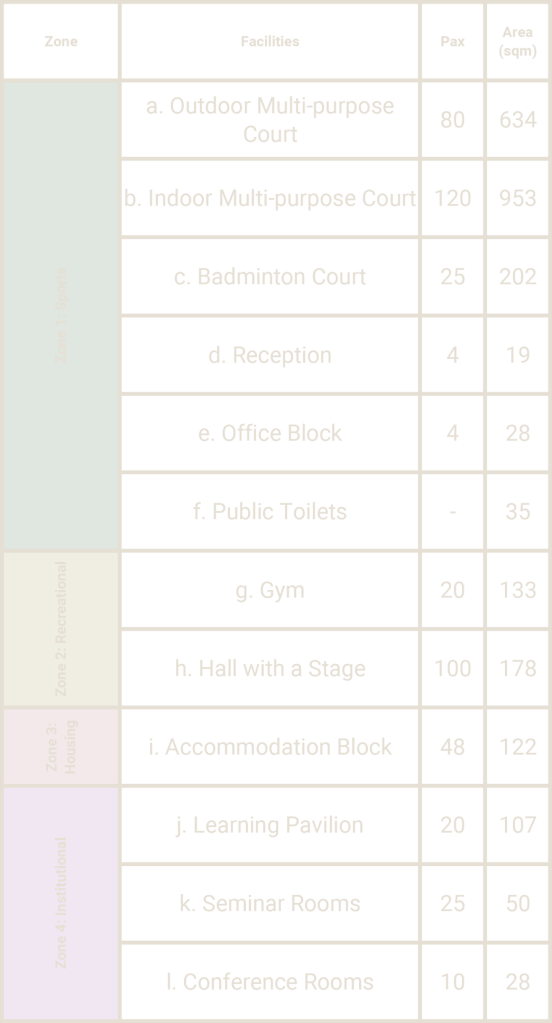
Programming Statistics
Bubble Diagrams
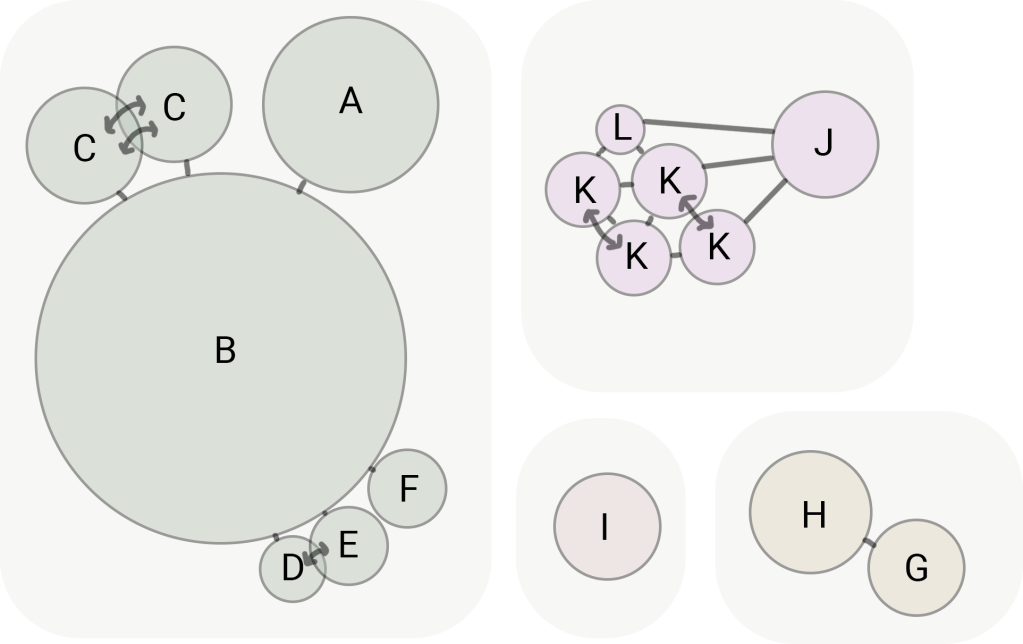
Spatial Planning
Spatial Arrangements
Arrangement 1
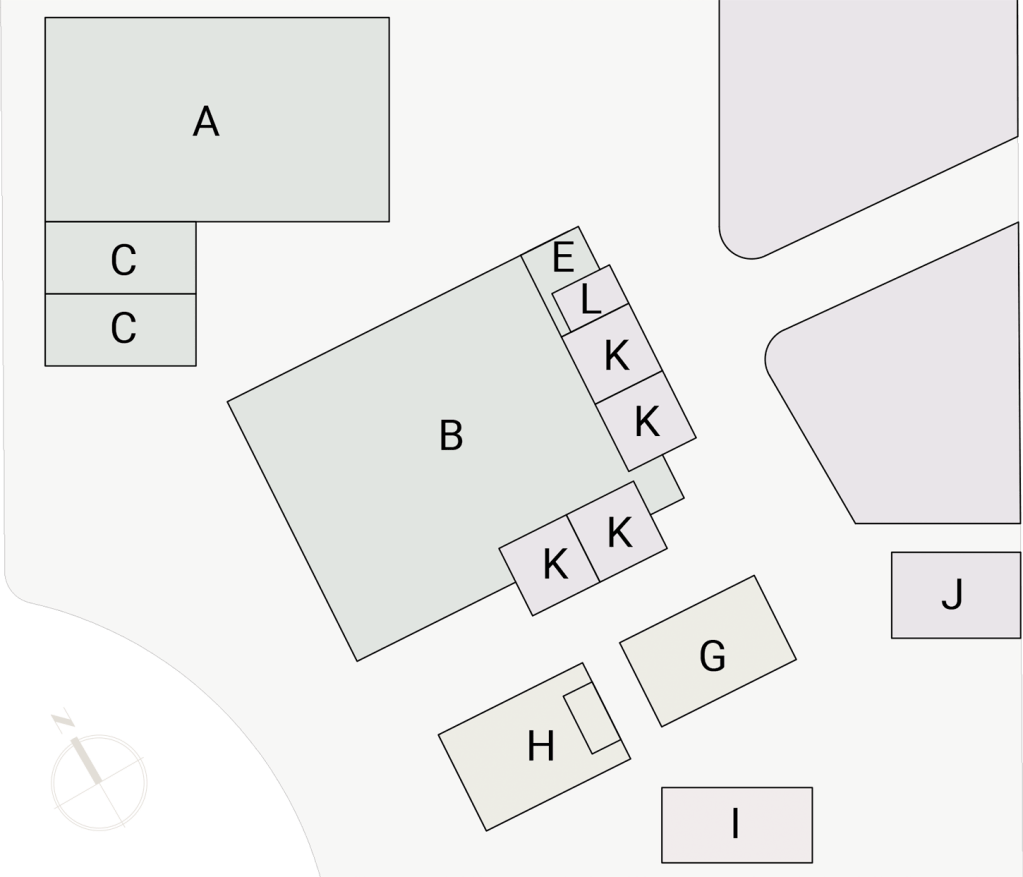
This layout features a centralized indoor multi-purpose court as the main hub, surrounded by key facilities like the office block, seminar rooms, gym, and hall with a stage for easy access. Outdoor courts and accommodation are positioned on the periphery for privacy and functionality, ensuring efficient connectivity and fostering interaction across the site.
Arrangement 2
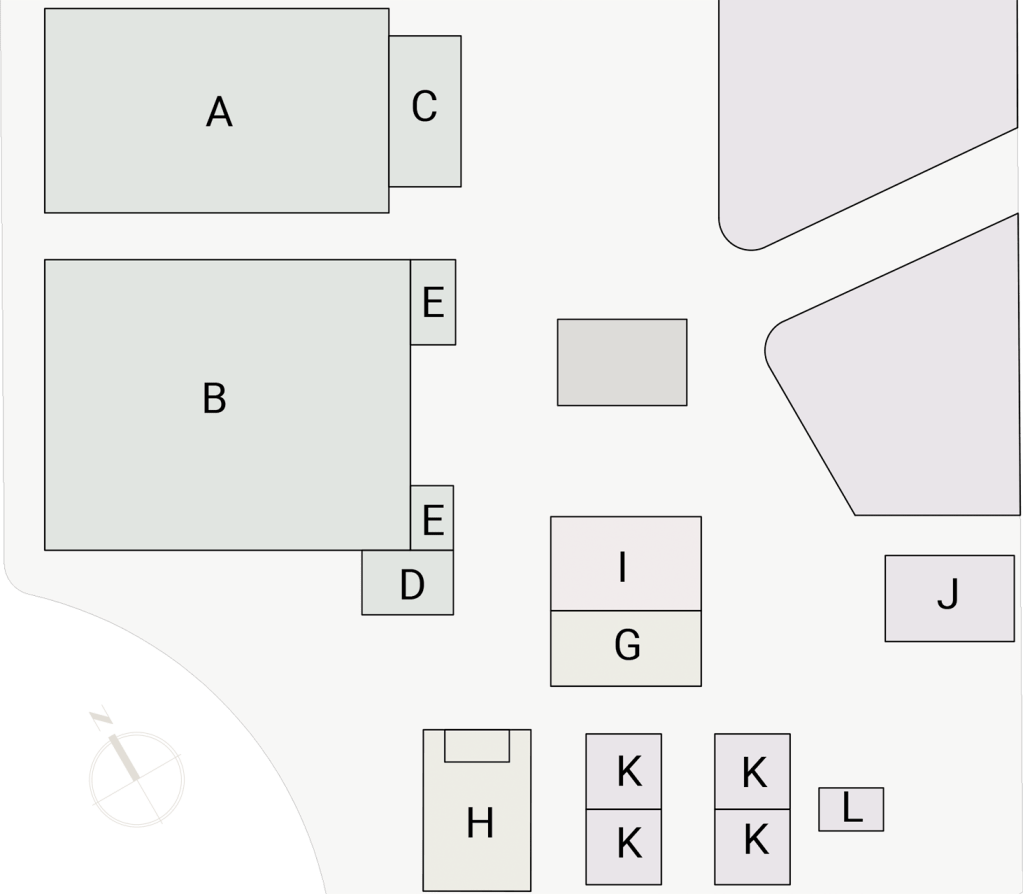
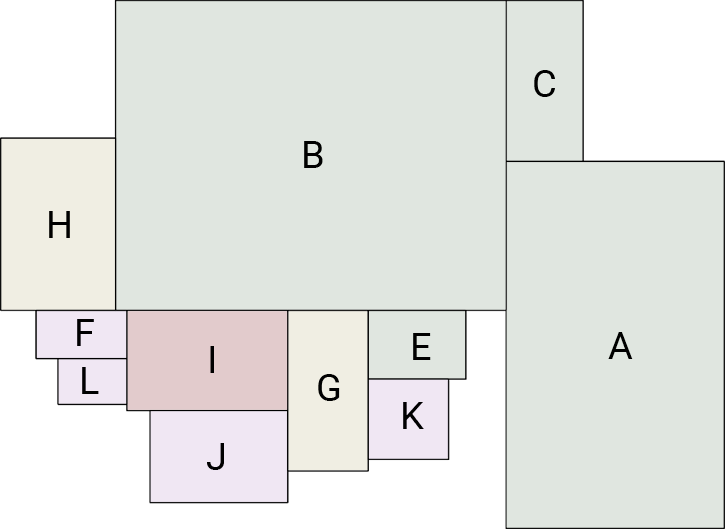
This layout features a central indoor court (B) surrounded by key facilities like the office block (E) and reception (D). Outdoor courts (A, C) and recreational areas like the gym (G) and hall (H) are easily accessible, while seminar rooms (K), the conference room (L), and accommodation (I) are strategically positioned for functionality. The layout ensures efficient circulation and interaction.
Arrangement 3
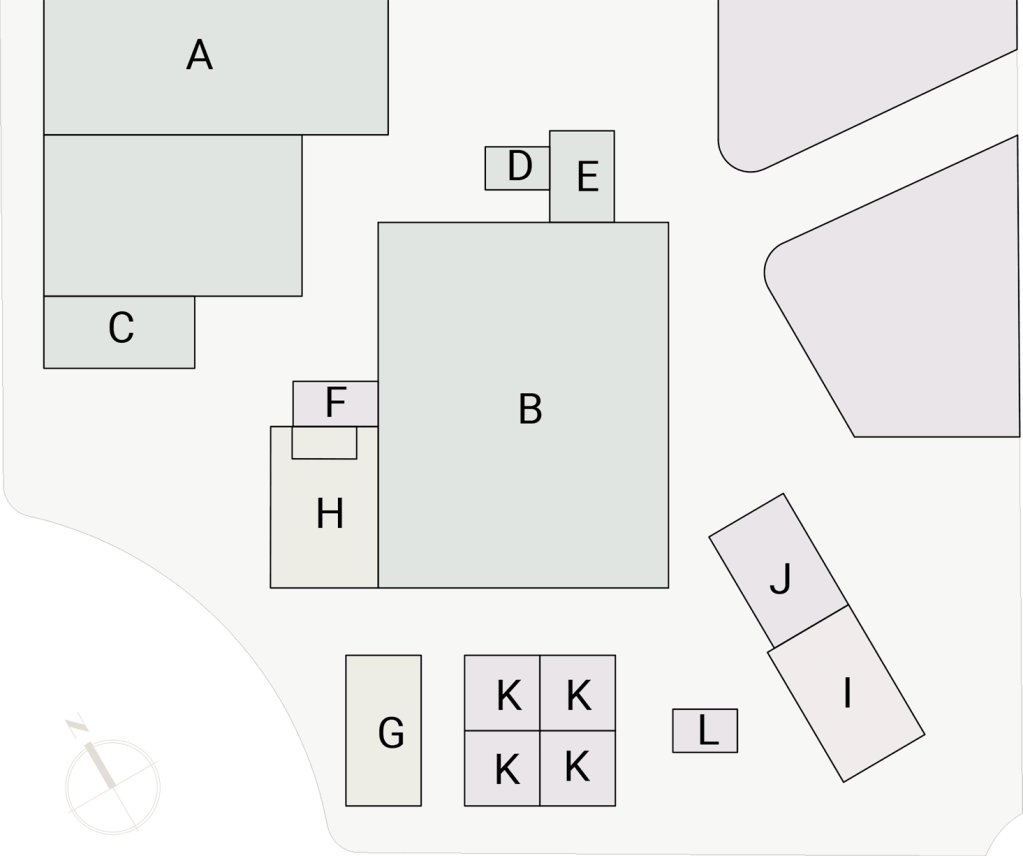
This layout centers around the indoor court (B), with nearby facilities like the office block (E), reception (D), and outdoor courts (A, C). Recreational areas (H, G), seminar rooms (K), and accommodation (I) are strategically placed for accessibility and efficient flow, balancing connectivity and privacy.
Arrangement 4
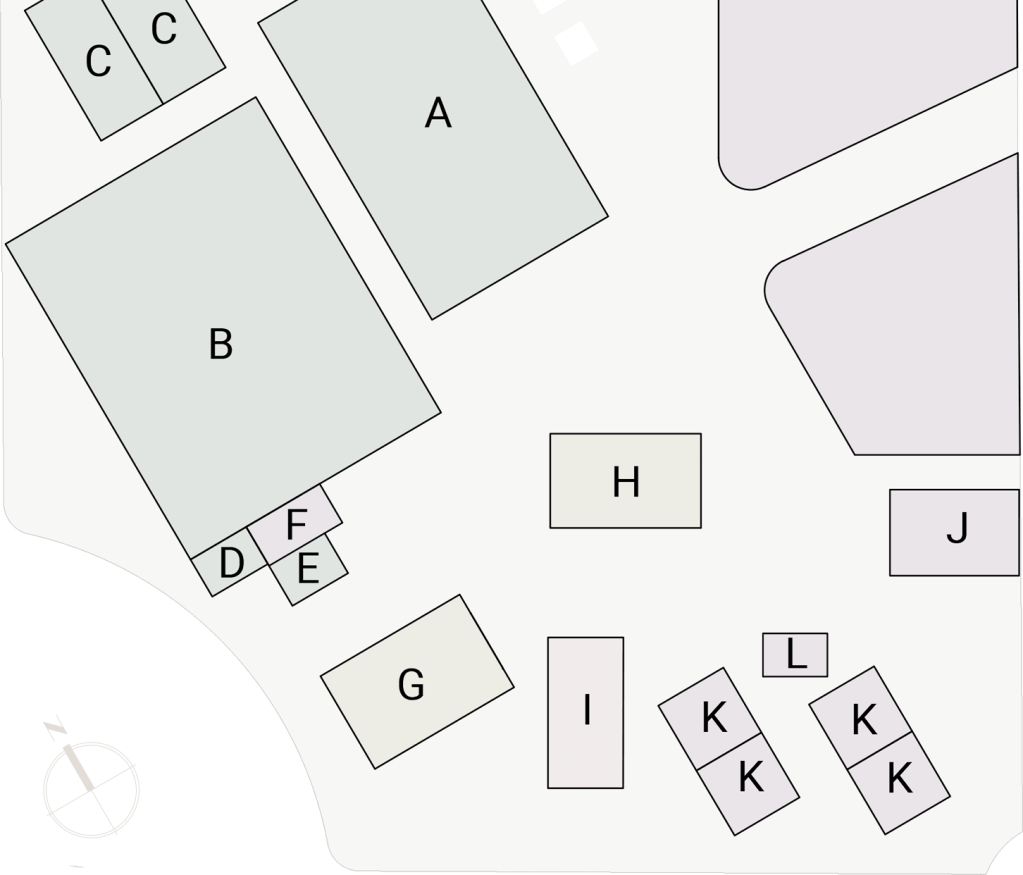
This layout centers the indoor court (B) with adjacent facilities like the office block (E) and reception (D). Outdoor courts (A, C), recreational areas (H, G), and seminar rooms (K) are positioned for connectivity, while accommodation (I) and the learning pavilion (J) ensure privacy within the integrated design.
Typologies
Zone 1 (Sports)

Zone 2 (Recreational)
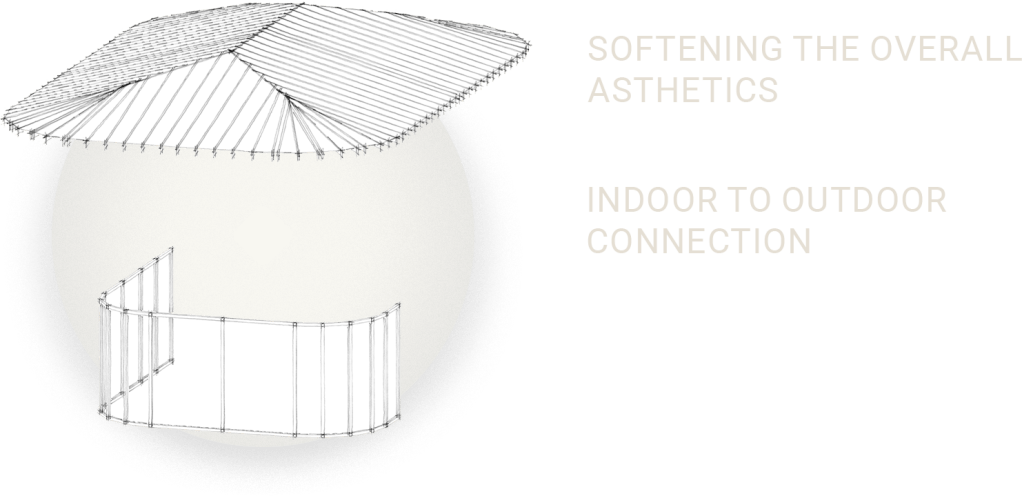
Zone 3 (Accommodation)
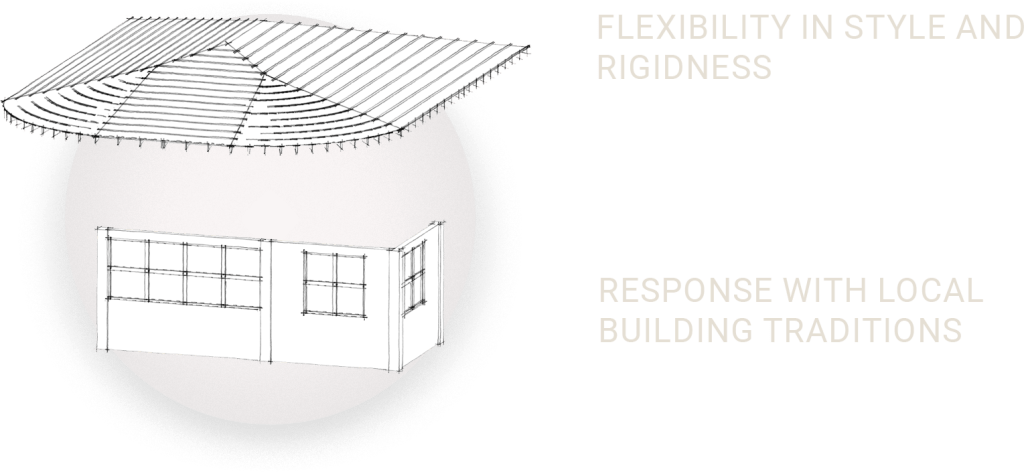
Zone 4 (Institutional)
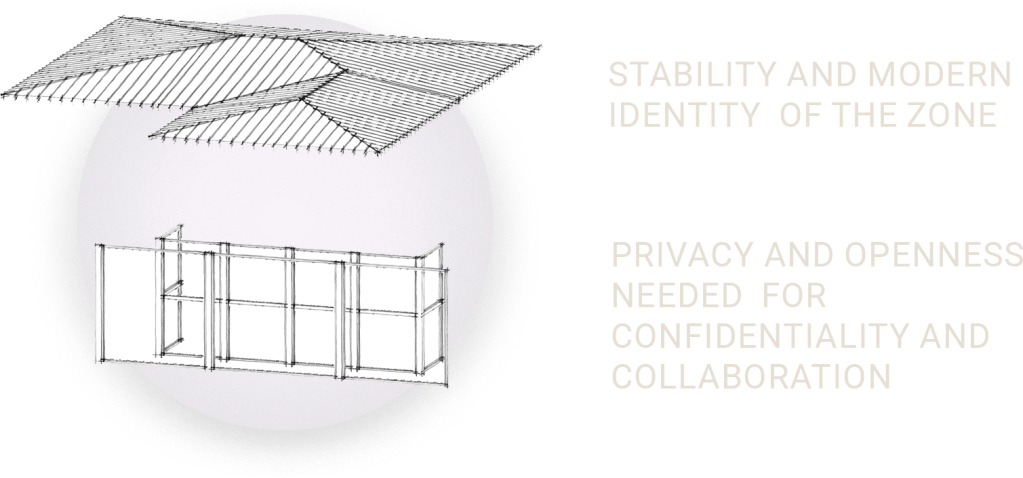
Nexus 1

Nexus 2
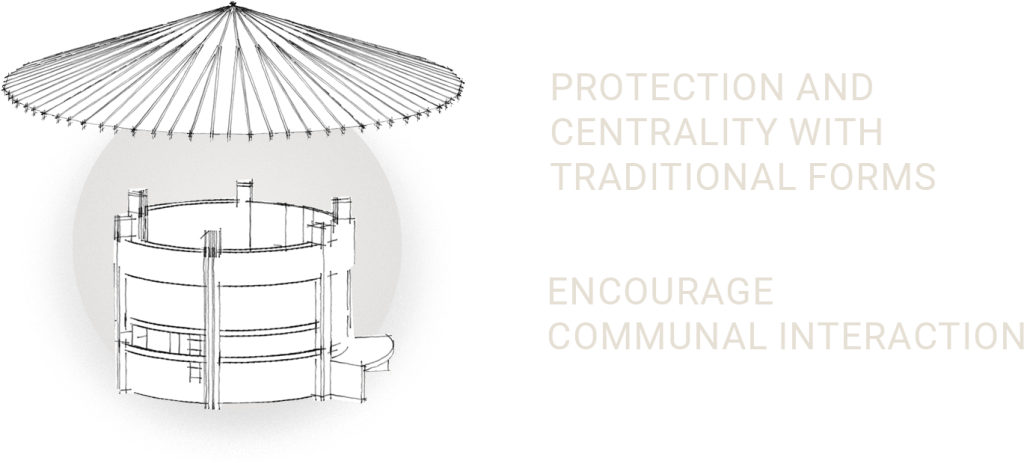
Nexus 3
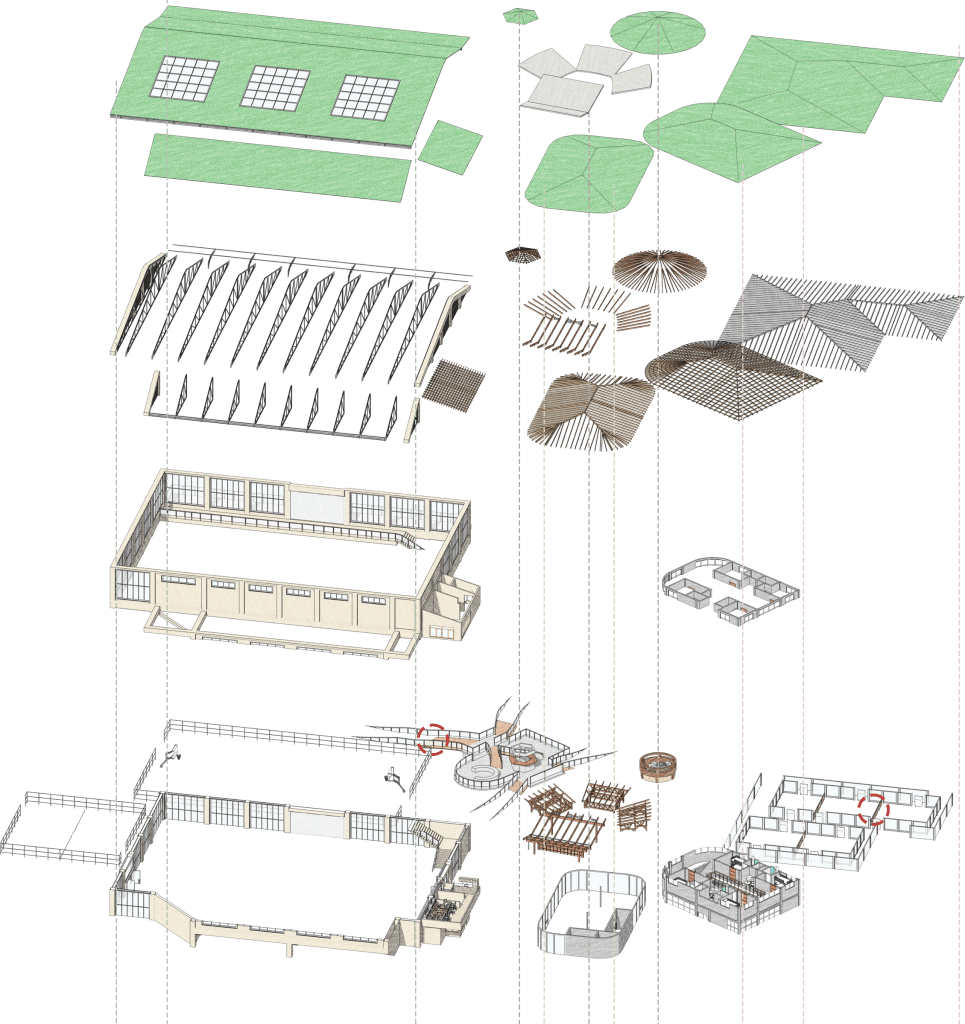
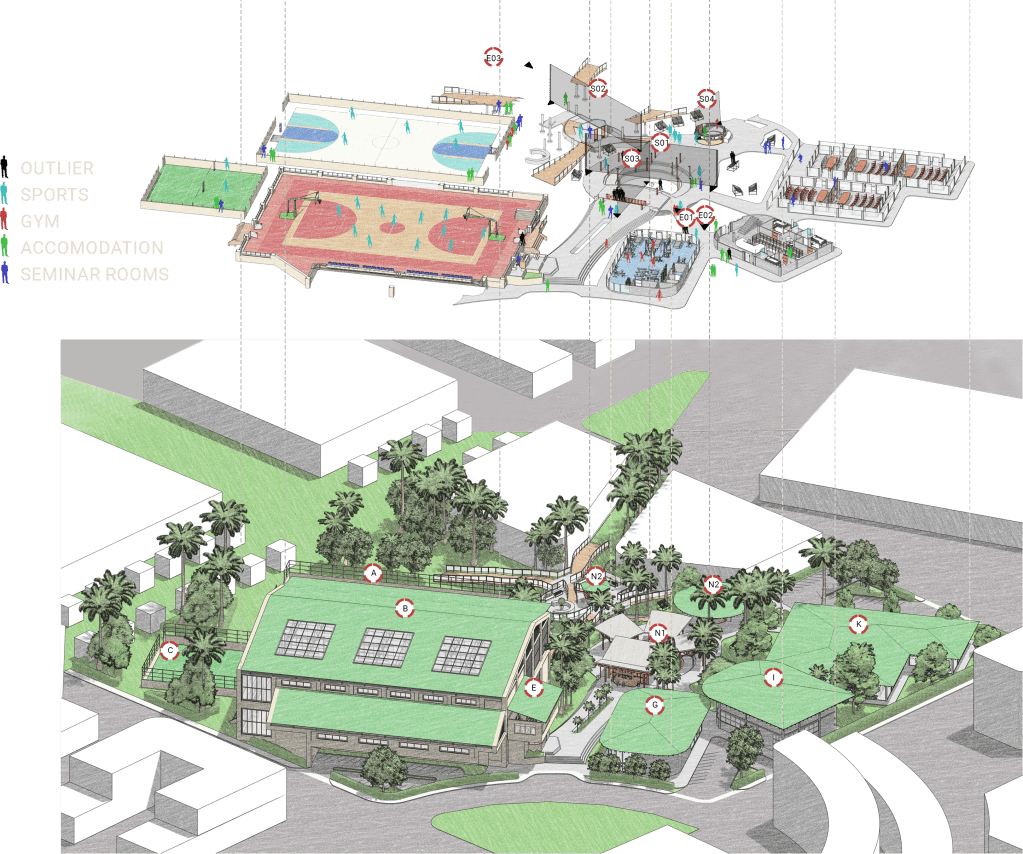
Exploded Iso
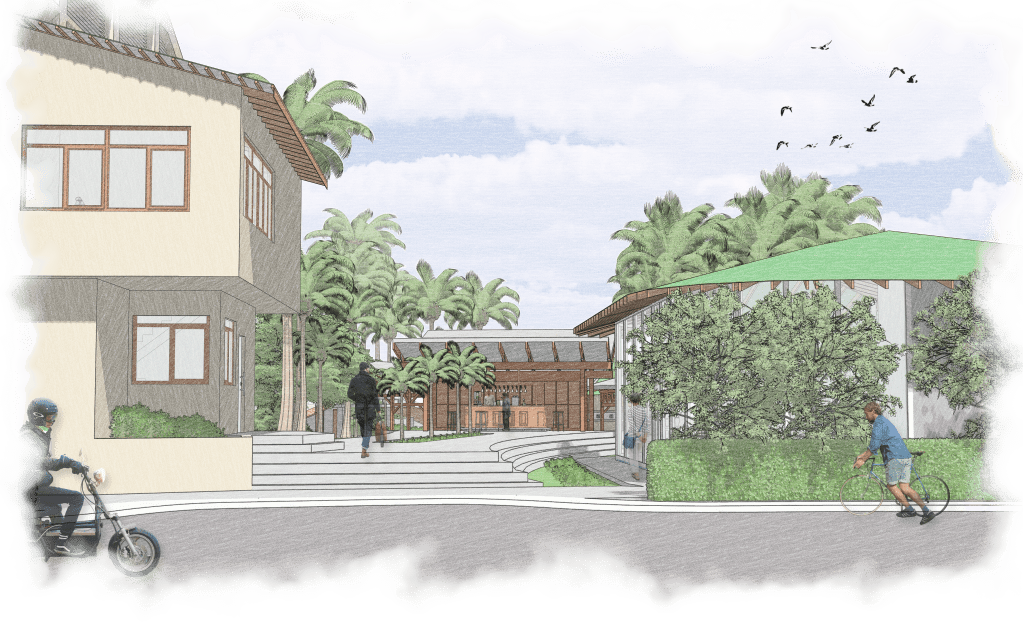
Renders


Leave a Reply